
ESP – ENG
In the first part of this article, I reflected on the importance of reconnecting with natural silence for our physical and mental wellbeing, as well as the urgency and timeliness of protecting it. Now, in this second part, and following certification as Europe’s first Quiet Trail, I will show the process of getting there through the two journeys made by Quiet Parks International volunteers in 2023 and 2024.

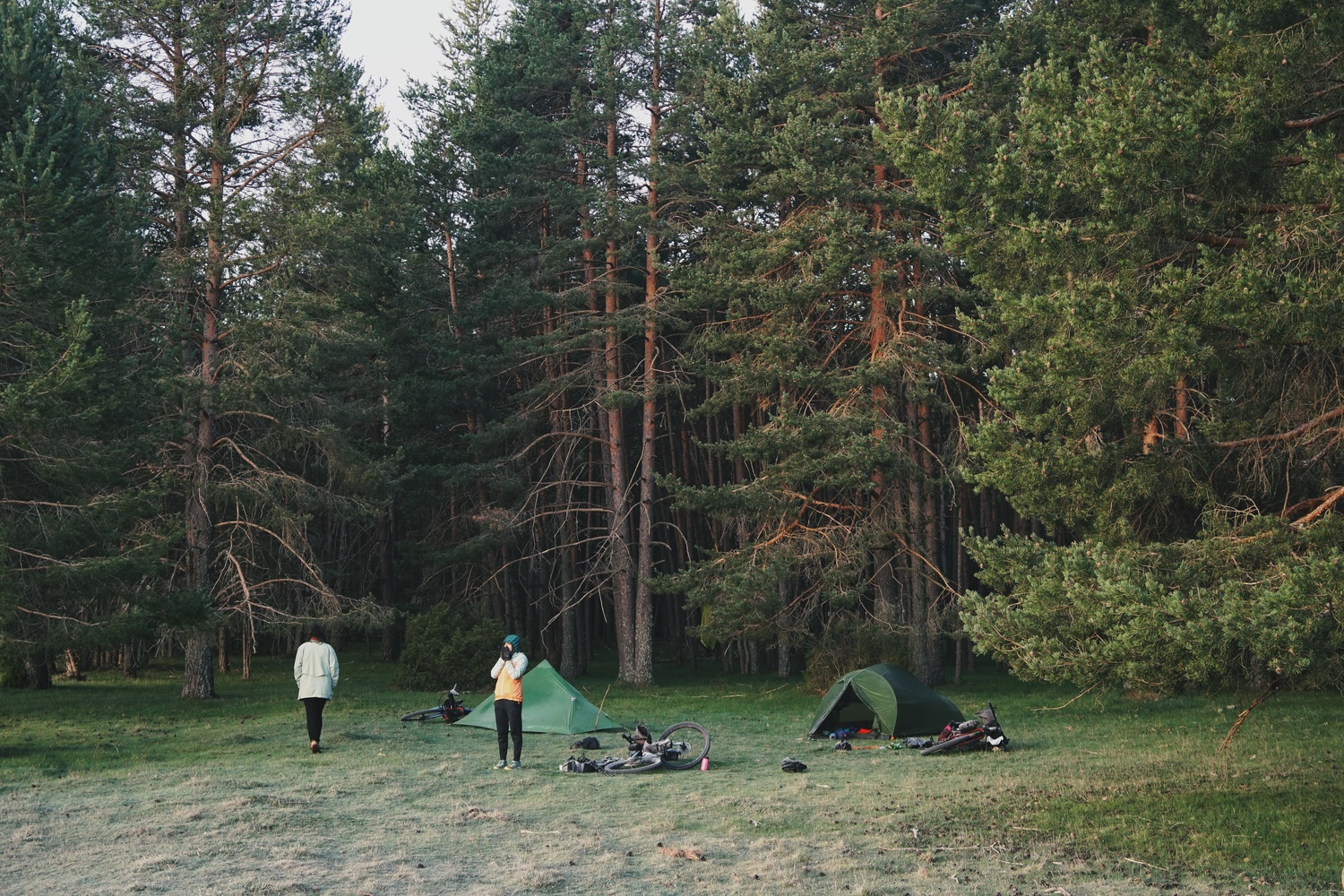

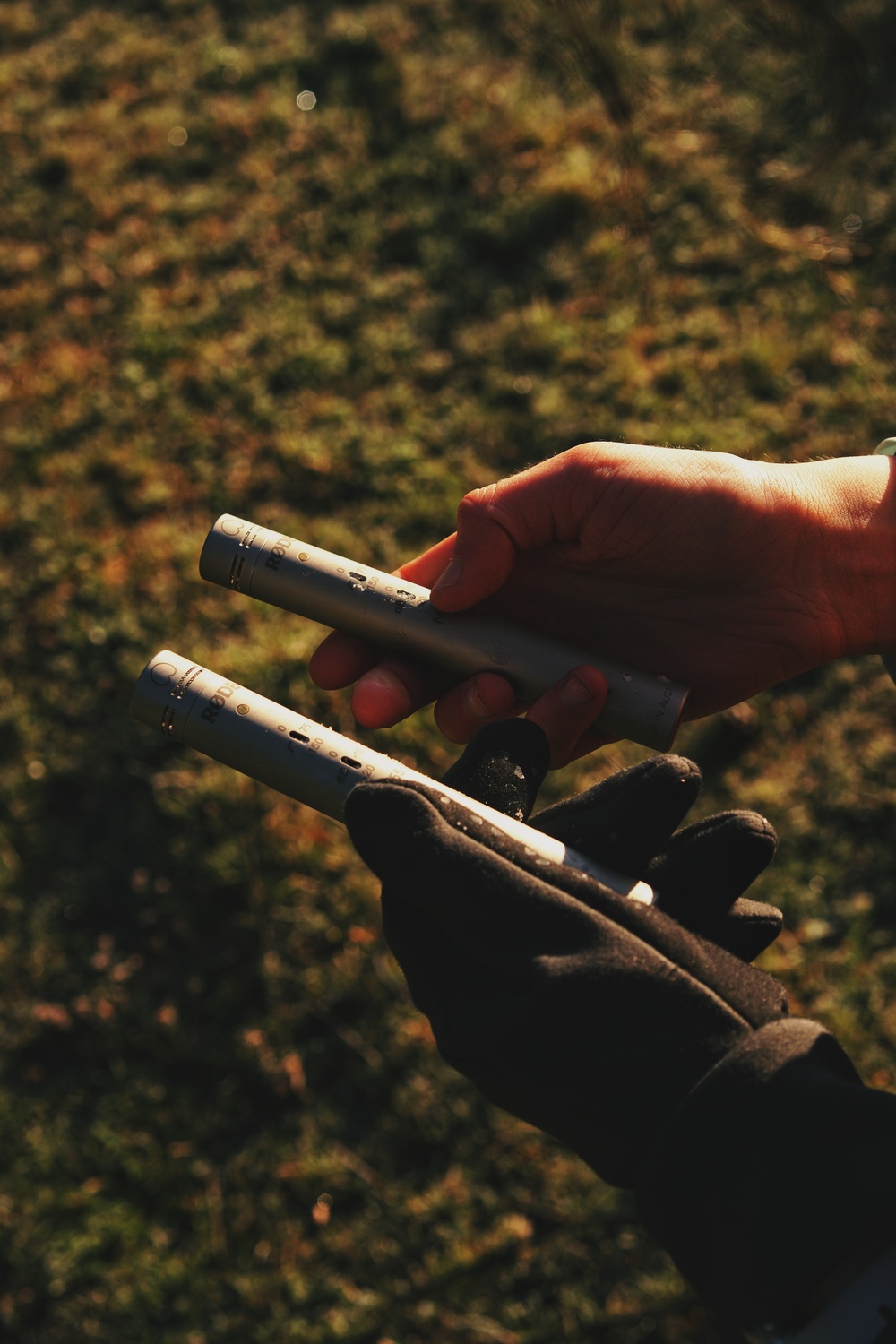
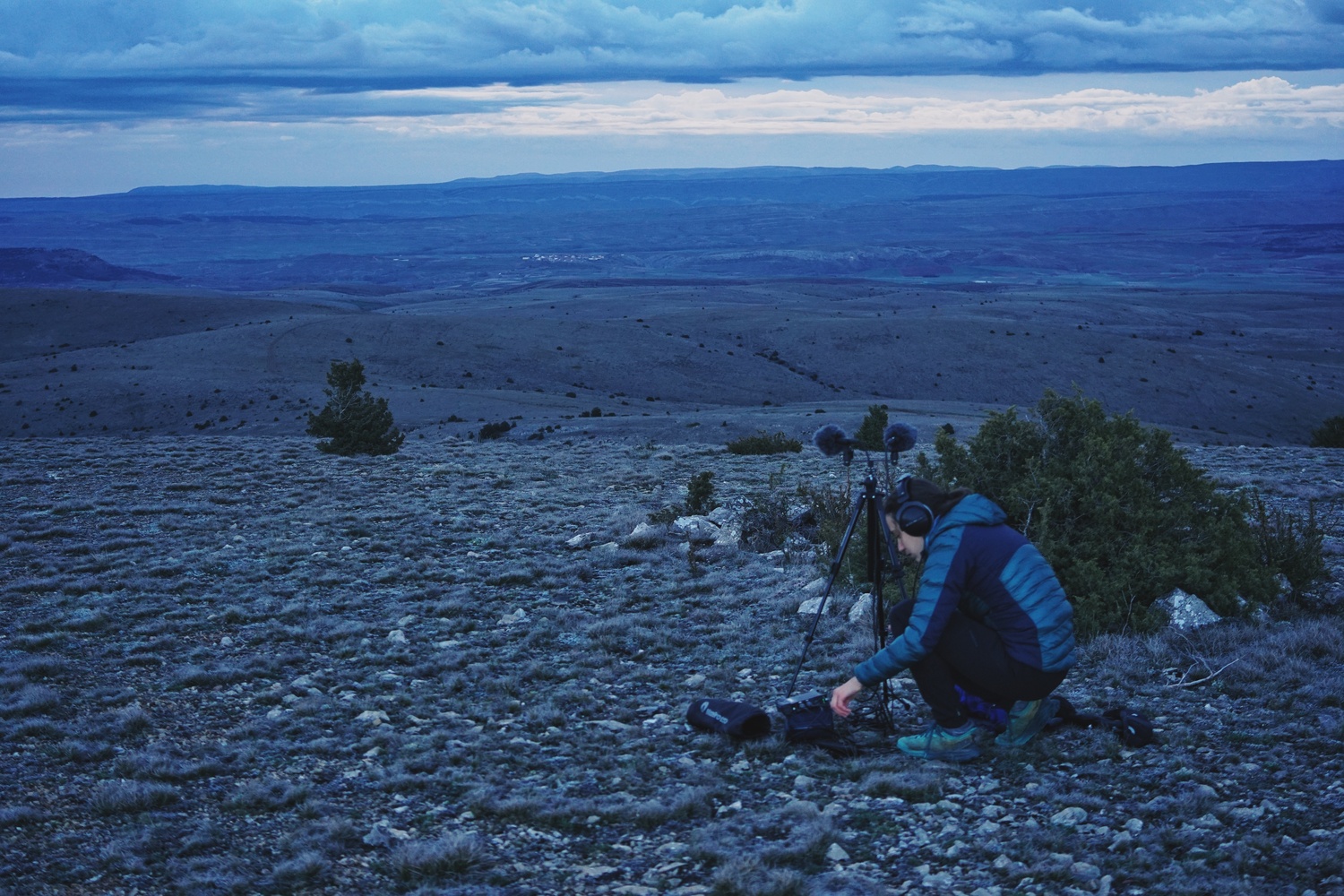
Six o’clock in the morning. From my tent I can hear the two occupants of the neighbour’s tent starting to prepare for their dawn recordings. They are Ursula Bravo and Emily Hesler, volunteer sound recordists for Quiet Parks International who have come to evaluate the acoustic quality of Montañas Vacías.
Still in the darkness of that May morning, Emily and Ursula slowly emerge from their tent, covered in a layer of ice typical of spring in the Montes Universales, and begin to spread their recording equipment across the vast meadow where we are.
Over the previous months, during my learning process, I had contacted Quiet Parks to thank them for all the inspiration I had received for all their work, and to deepen my understanding of the steps to follow for the conservation of this Silence that I considered so unknown and mistreated. It was during one of these conversations that the possibility of sending some volunteers to study this potential wealth came up.
THE VOLUNTEERS
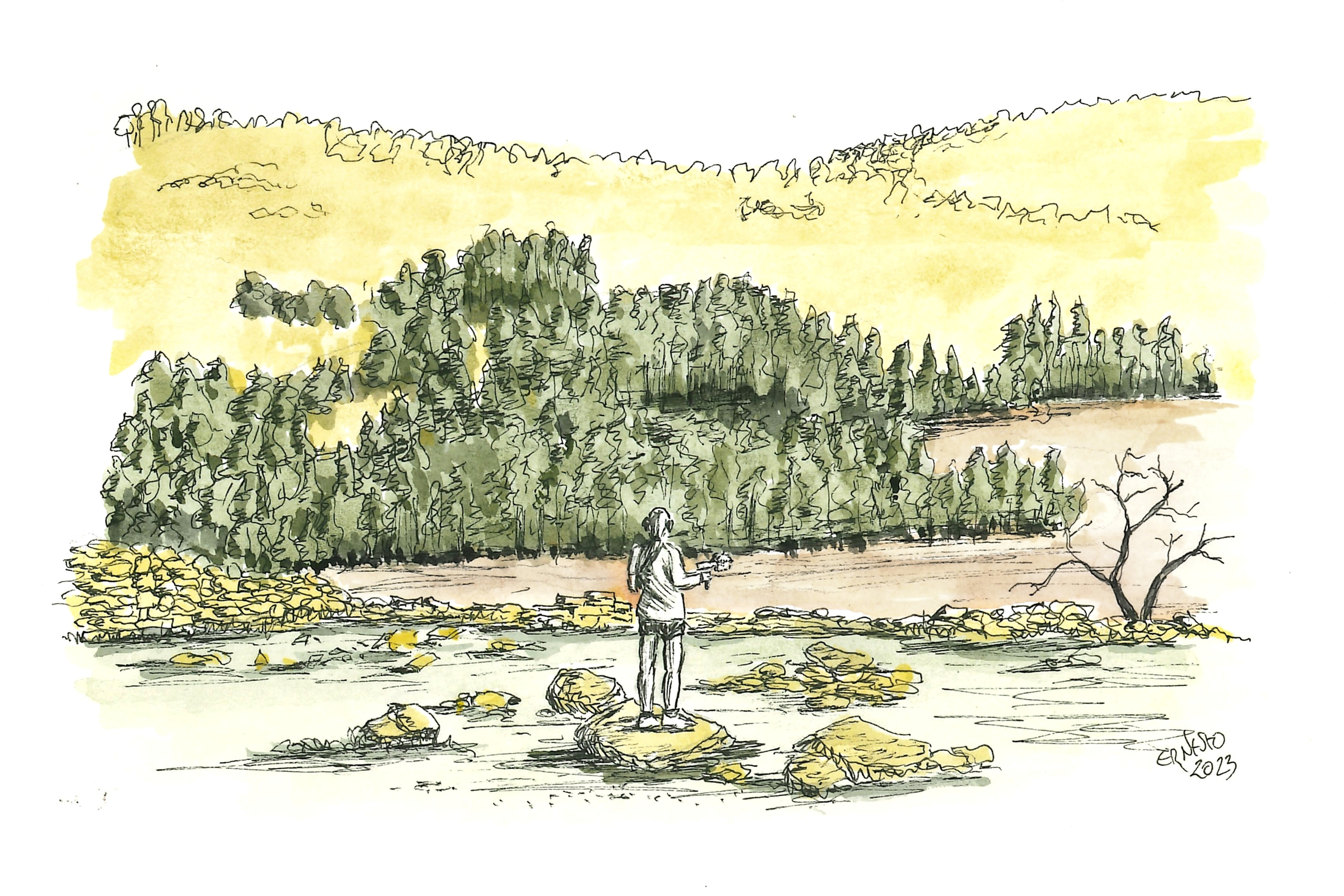
To protect a resource you need to enhance its value, and to enhance its value you need to know it. That’s why it’s been a tremendous honor for me to meet the three QPI volunteers who have been here over the past two years. Let me give you a brief introduction to them.

Úrsula Bravo is an experimental musician and sound performer, dedicated to the study of soundscapes. She collaborates with the Biodiversity Group of the Azores and is developing an experimental sound lab to analyze soundscapes and increase our awareness of the land and other species. She visited MontañasVacías in 2023.

Emily Hesler is A QPI volunteer sound recordist and USA representative from Upstate New York, currently living in Uppsala, Sweden. She works at MachineGames as a VO Designer, and freelances as a nature sound recordist, spatial audio designer, and composer. She visited MontañasVacías both in 2023 and 2024.

Nahun Saldaña is a Peruvian sound artist and resilient designer dedicated to exploring human vulnerability in nature through the use of sound, design and technology. His work includes several projects focused on health, education and biodiversity. He is also the founder of the Escuchadores project. He visited MontañasVacías in 2024.
THE FIRST TRIP. 2023
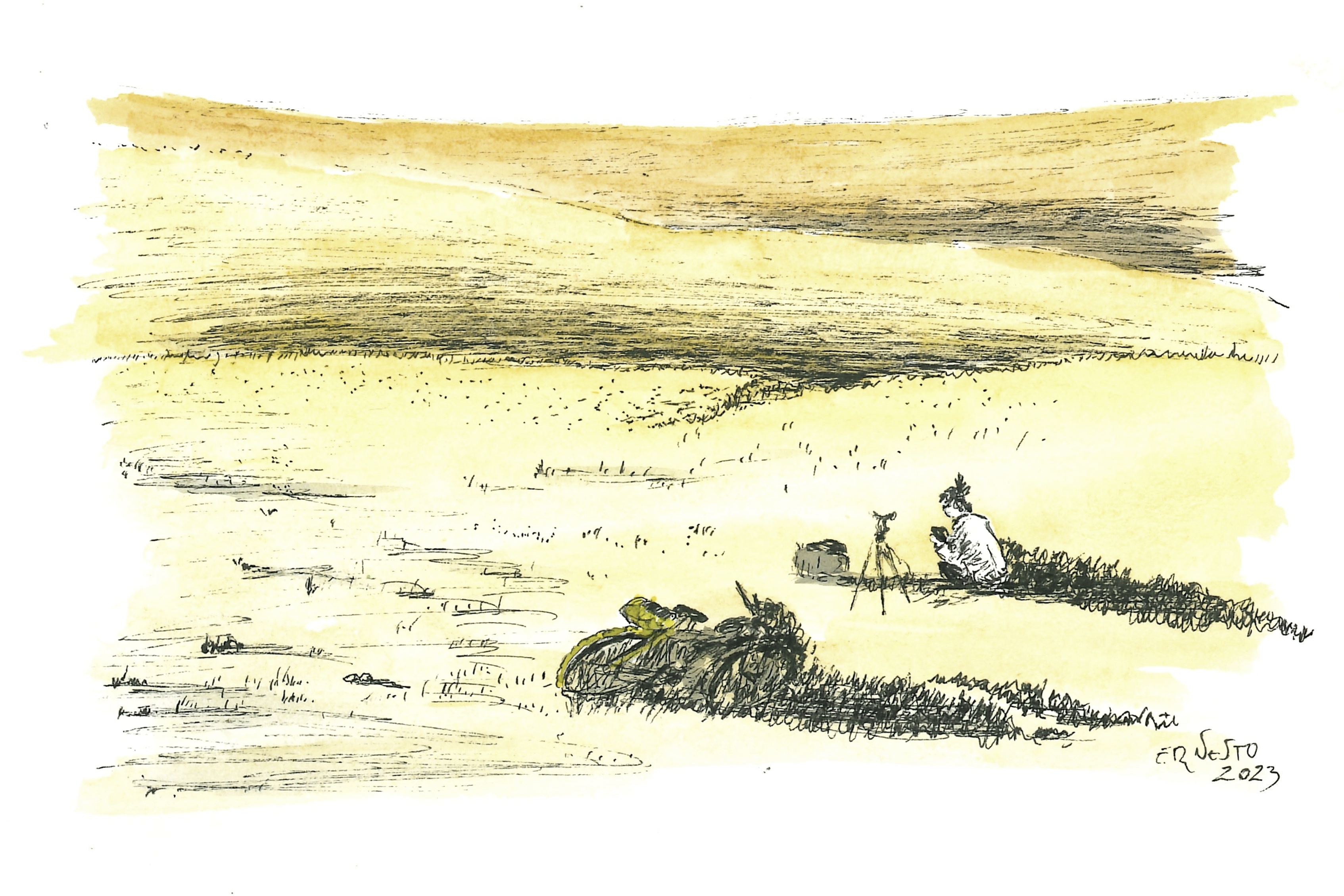
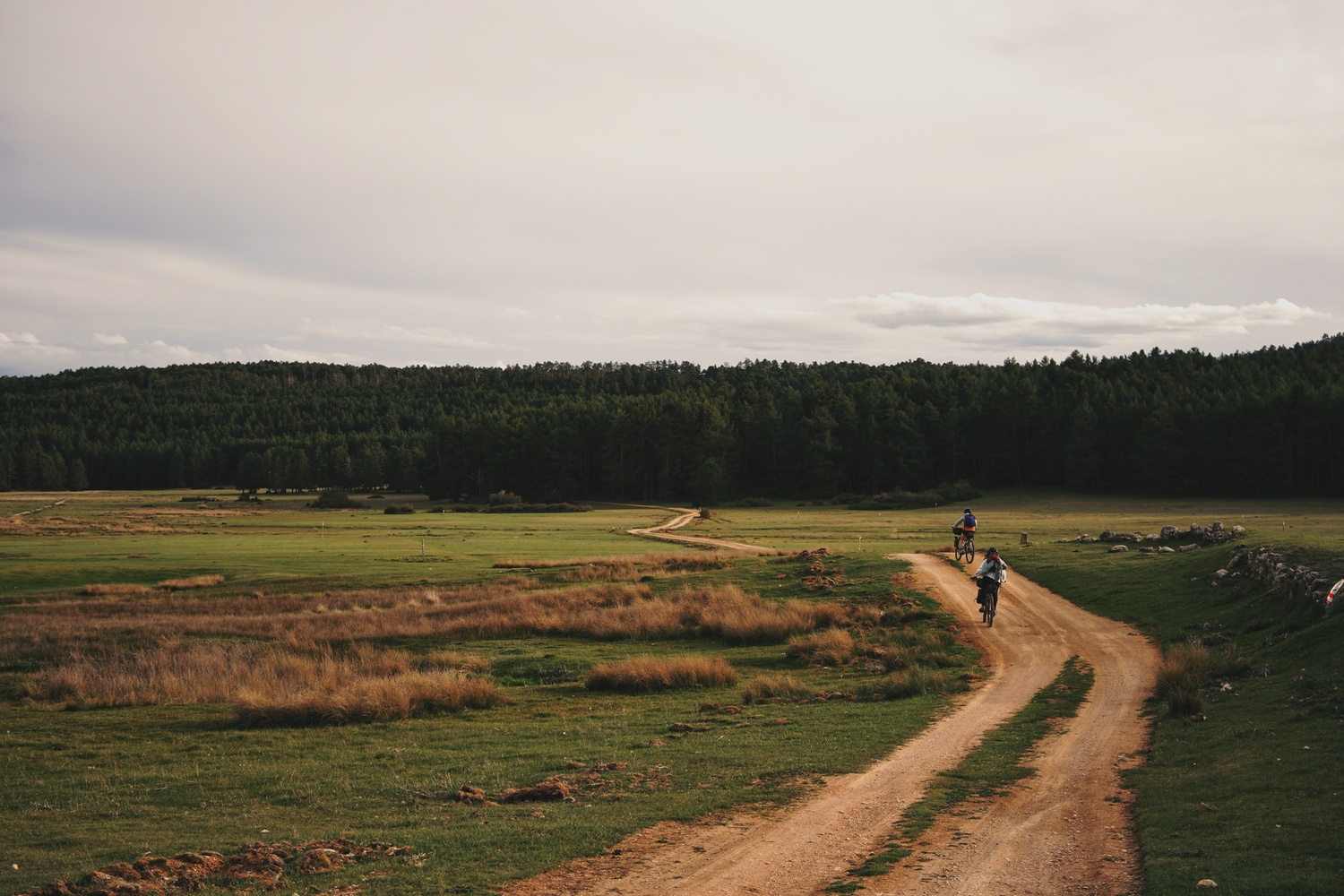
Over four days of cycling along several sections of the route, we tried to get an idea of the true dimension of the acoustic value of these landscapes. Here, Nick McMahan, director of Quiet Trails, shares his perspective on the purpose and raison d’être of these acoustic journeys:
«Quiet Parks volunteers are an essential link in sharing experiential knowledge of quiet. The search for quiet and reflection of the sonic journey. A trip down a quiet trail aims to determine the value of the travelers experience. To be able to ask themselves and each other, “do we feel quiet at some point along this path?» Critical observation times are mornings and evenings, but listening and testing throughout the day are necessary to know the whole sound picture of the location.
The quality of sound in the environment is as much a sign of ecological health as anything can be. To have a meaningful observation of ecological acoustics you must take a journey. A journey of experience and contrast. For me this has been as important of an inner journey as an outer one. A search for quiet and solitude, but also a shared experience, allowing the space of the location to bring people closer to each other and closer to themselves.
Recording these places is a gratifying technical extension, not unlike photography or other art forms in a physical location. What does art do for the creator? What does it say about the place of conception? I hope these paths and trails can lead people to ask questions about our relationship with the earth and bring light to the importance of inner and outer commune we can experience in life».
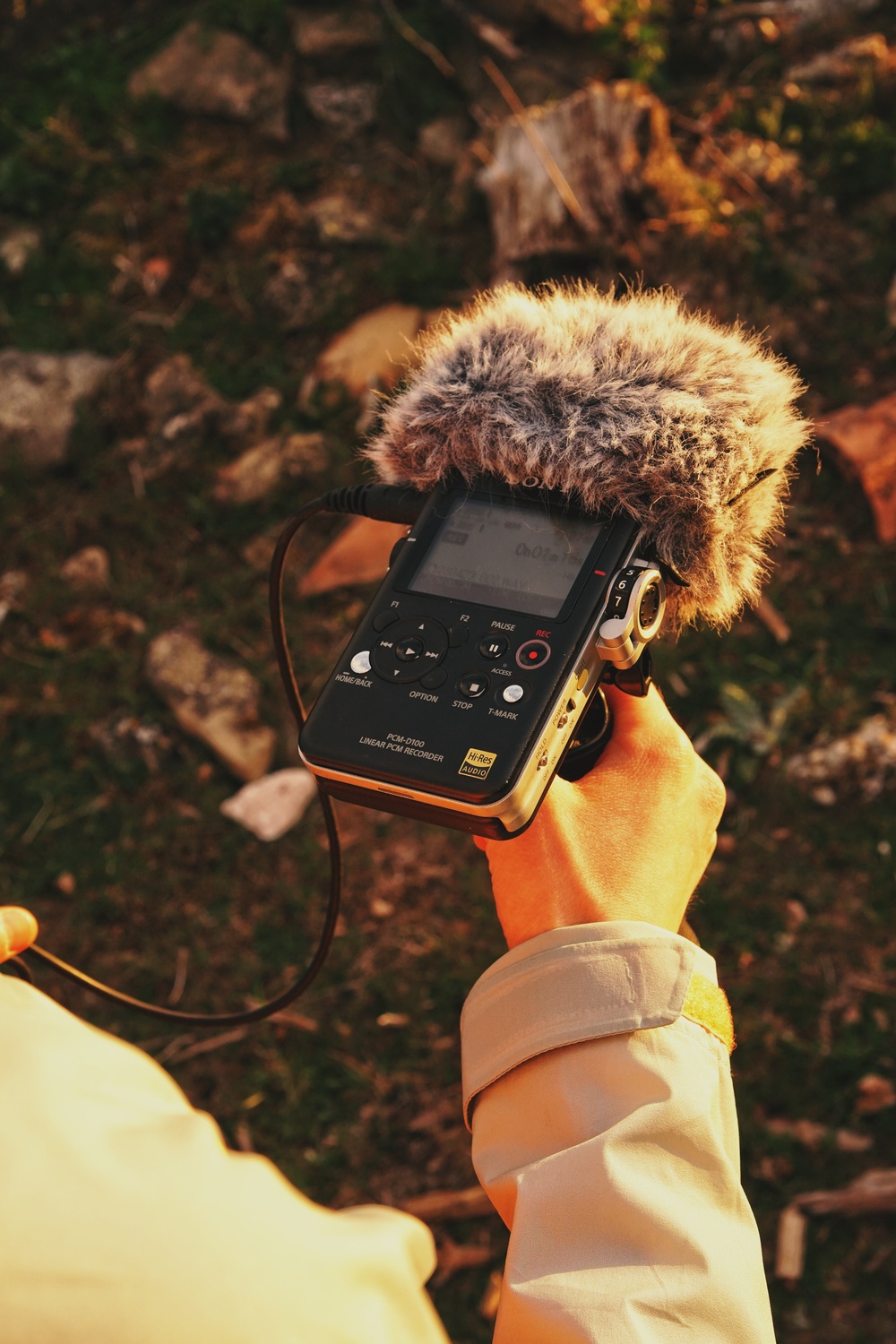
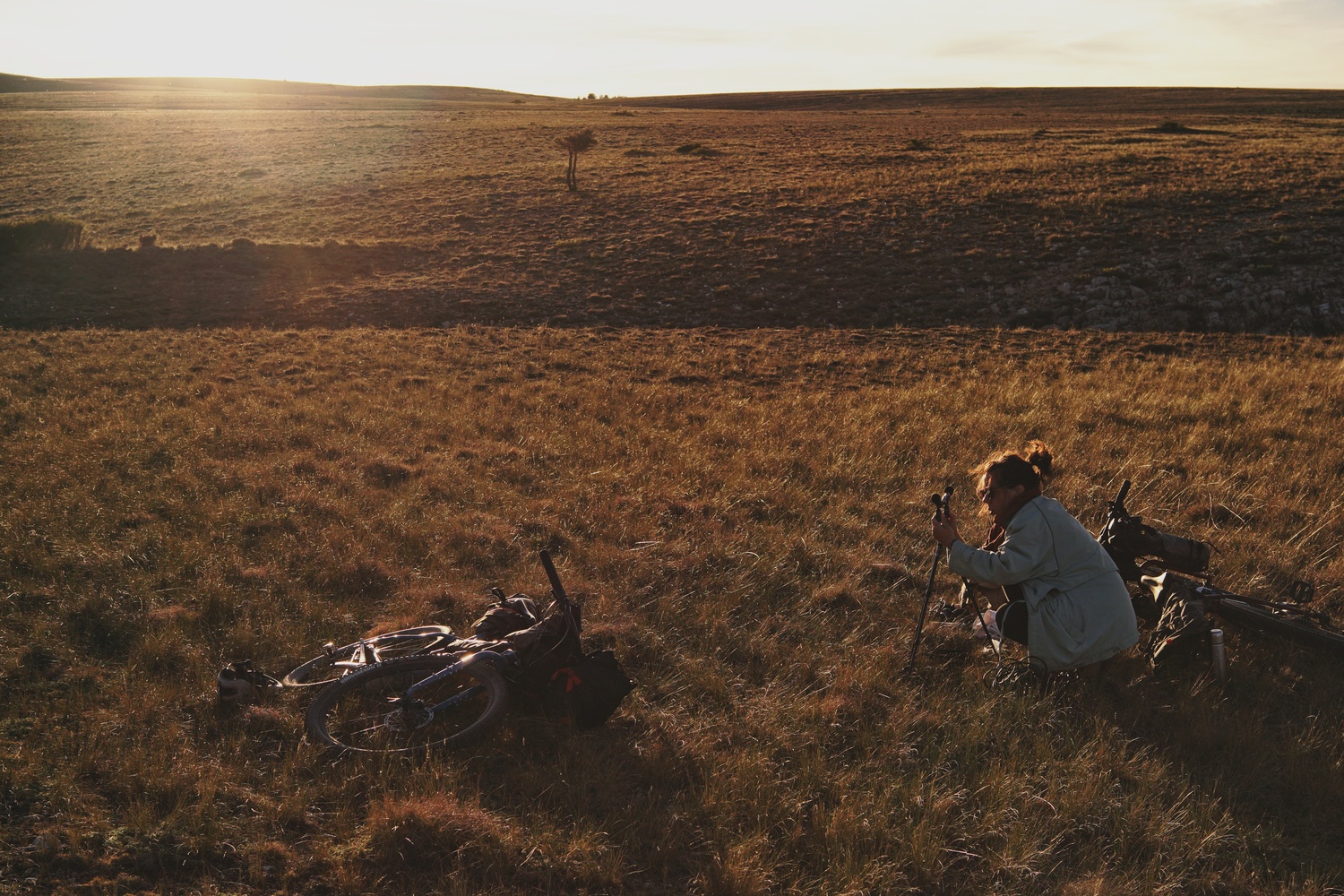
In the words of Emily Hesler, these are structured and methodical trips that follow a general procedure, consisting in recording for a couple of hours at dawn and dusk at every campsite, taking notes of disturbances as they occur: what the disturbance was, the level in decibels, how long it was observed, and how disruptive it was to the overall experience. Singular spots along the trail are also registered, such as where birds are particularly active and the birdsong is particularly noticeable.

THE RESULTS
Below, Emily and Úrsula share their thoughts on how they felt after riding and experiencing some of the roads of MontañasVacías:
EMILY HESLER
«The overall experience was audibly and visually very serene, peaceful, and almost otherworldly. It felt very separate from everything else, especially when considering that most of these areas were only accessible by biking.
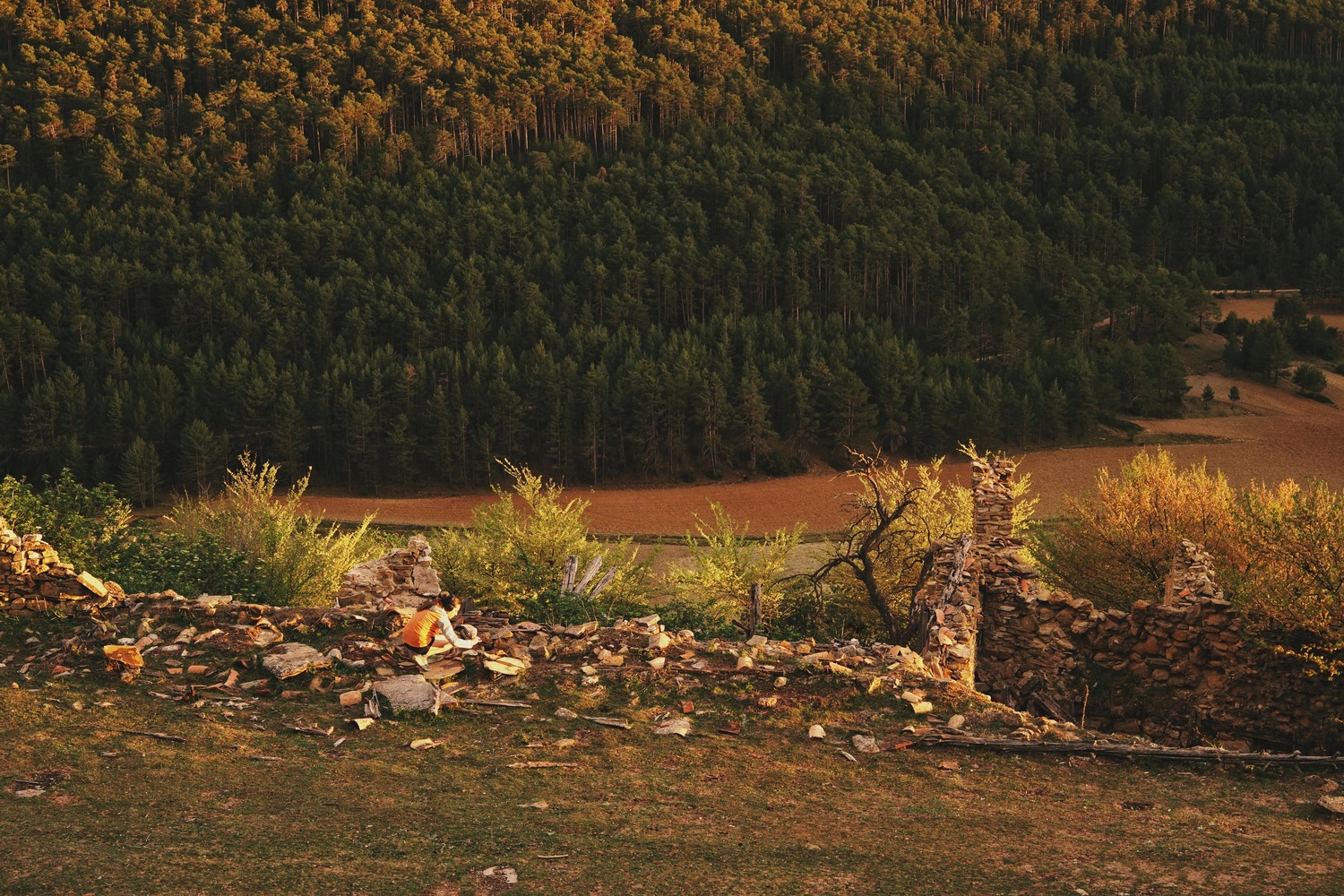
It was also quite the experience to camp in an abandoned stone village. It allowed for me to consider quiet from a different perspective, imagining how that village could’ve been busy and bustling just fifty years ago, or even sooner. It made me eager to explore more places like that, to see how nature and quiet have reclaimed areas that humans once settled in.There was a very noticeable contrast between these longer stretches of quiet and the small villages we rode through. Having these short periods of noise disturbances made me appreciate the peaceful sections more, and helped me to realize how still and serene those sections were.«

ÚRSULA BRAVO
«Through visual observation of the territory, it was possible to identify interesting listening points, where we discovered that the acoustic properties of the geomorphology of «empty Spain» offered us an essential natural auditorium.
To be able to experience the richness of a natural space from each of the listening points that Ernesto chose for us from his itineraries, we were constantly reminded that we were exploring a hi-fi territory that presents a spatiality marked by the orographic composition. In this environment we could hear sounds far away from us, despite the presence of others in the foreground. Each sound was clearly distinguishable, because each acoustic event follows its own sound/silence cycle (each sound emission is followed by a pause), a dialogue was established with the physical environment. It can therefore be said that each sound has its own rhythm and can occupy its own sonic niche. A healthy and respectful space where all species have their space to communicate. In low-fidelity areas, the expectation of being able to feel the great natural orchestra disappears when masking takes place, the high decibels provoke the massive rejection of mammals, birds, insects… they hide from us. Another characteristic of the hi-fi landscape is that it is largely made up of low-intensity sounds, whose decibels are at a threshold that is comfortable for the nervous system.
Just as we look for the best visual conditions to enjoy a good sunset or sunrise, these exercises, this quality seal, will give us the opportunity to remember old ways of relating to the natural environment, to be more honest about our needs, to empathise with those of other species and to be able to make better collective decisions to take care of the territories offering ecotourism as a regenerative way. Quiet is the new cool«.

FULL PHOTO GALLERY trip 2023
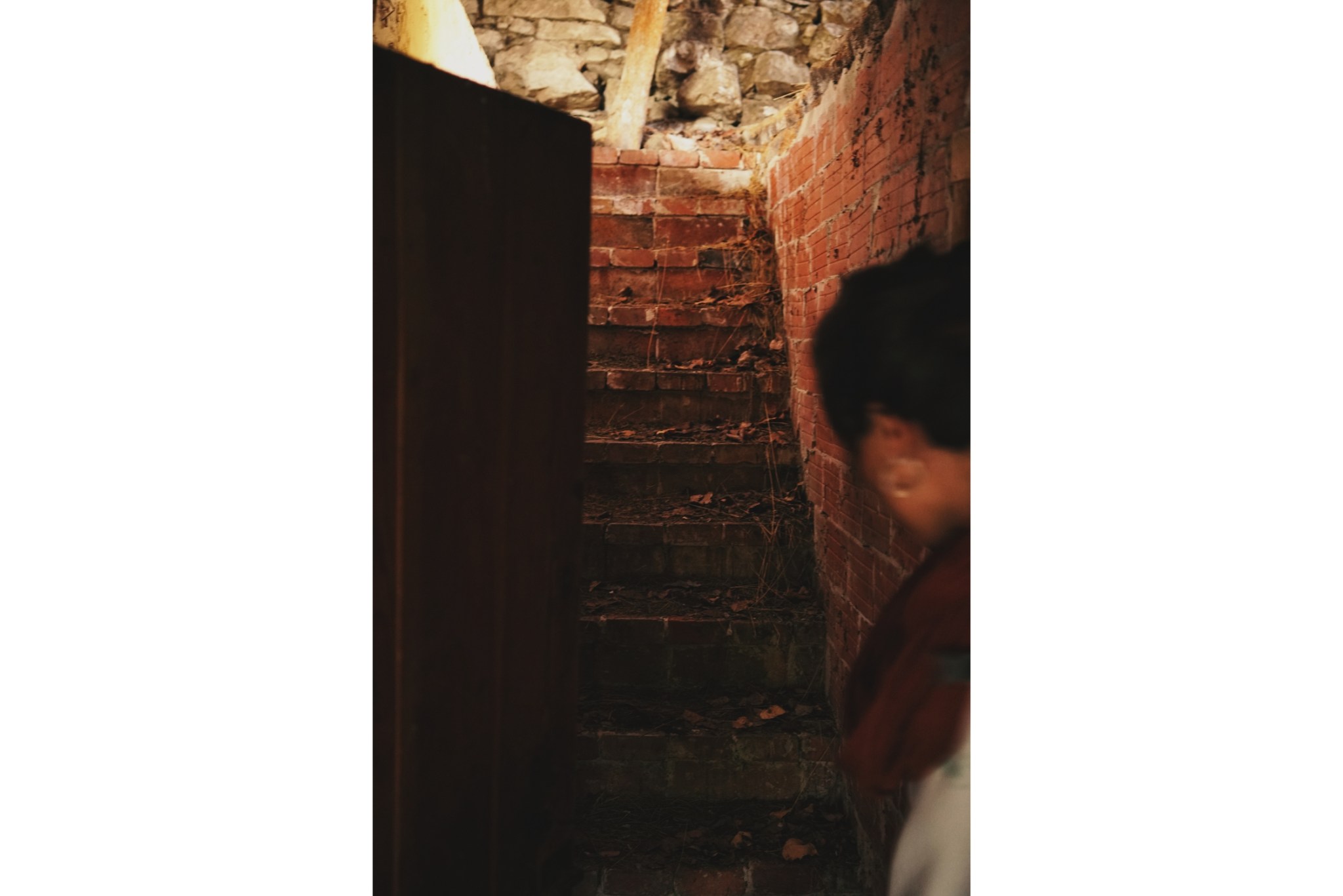


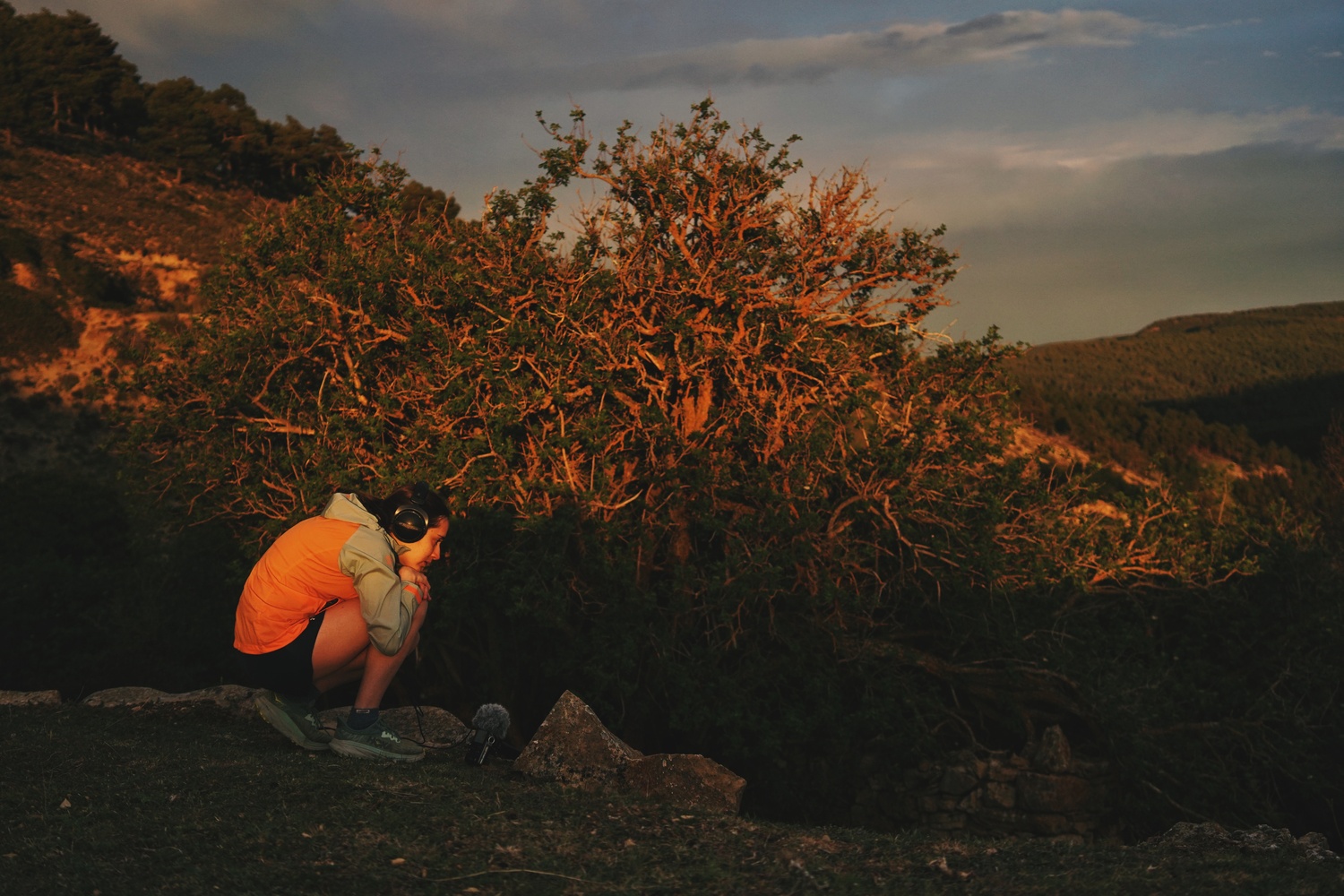


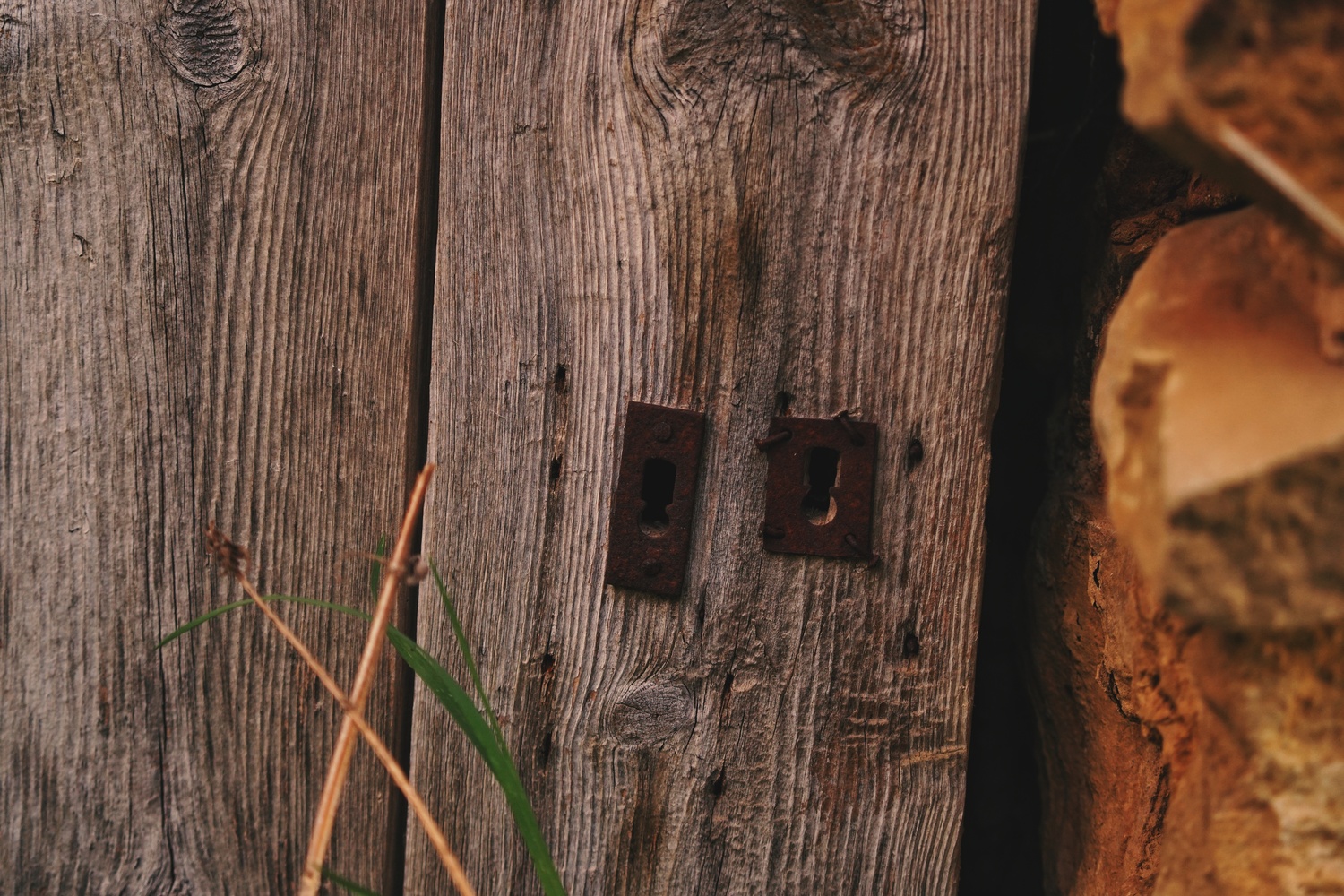
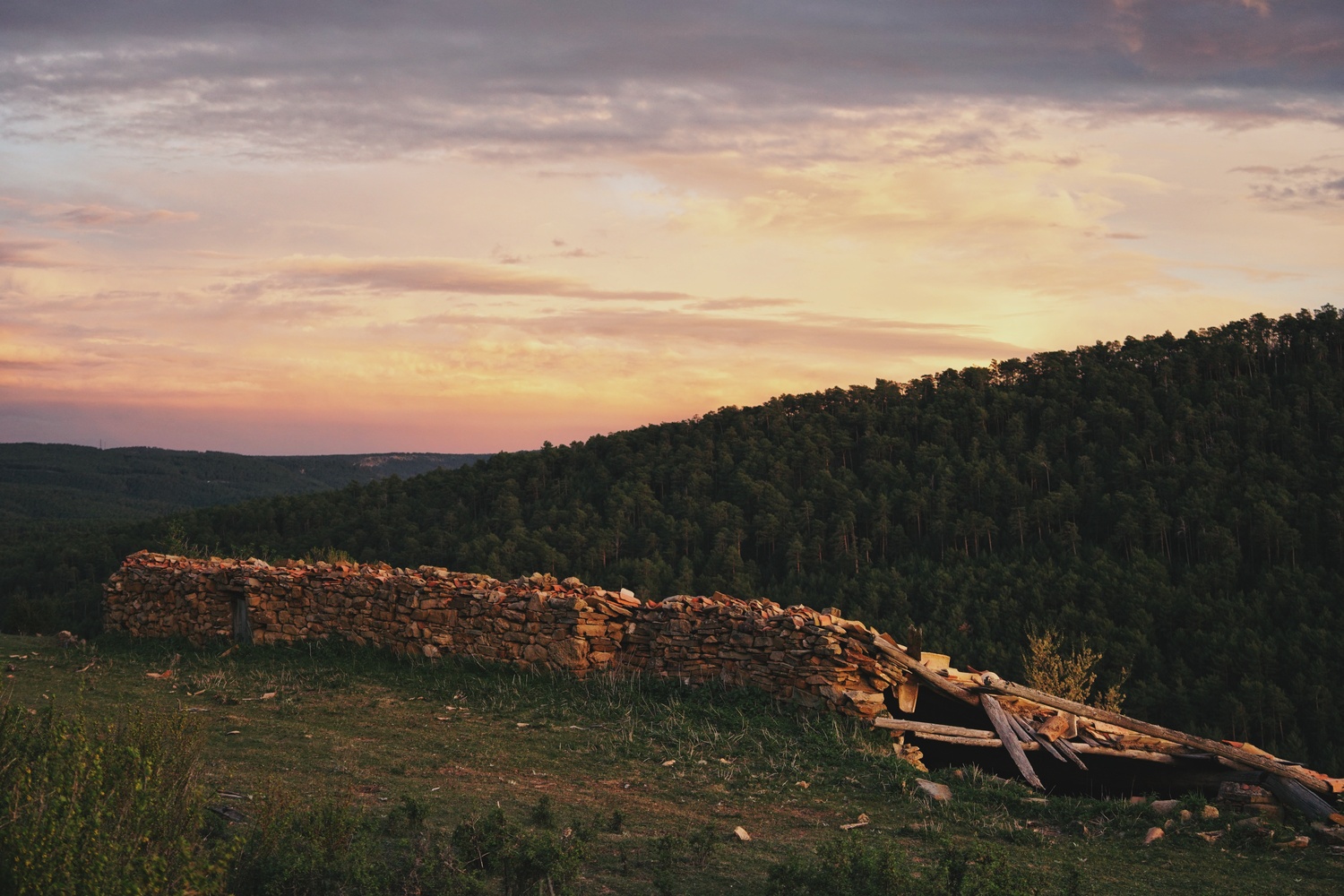


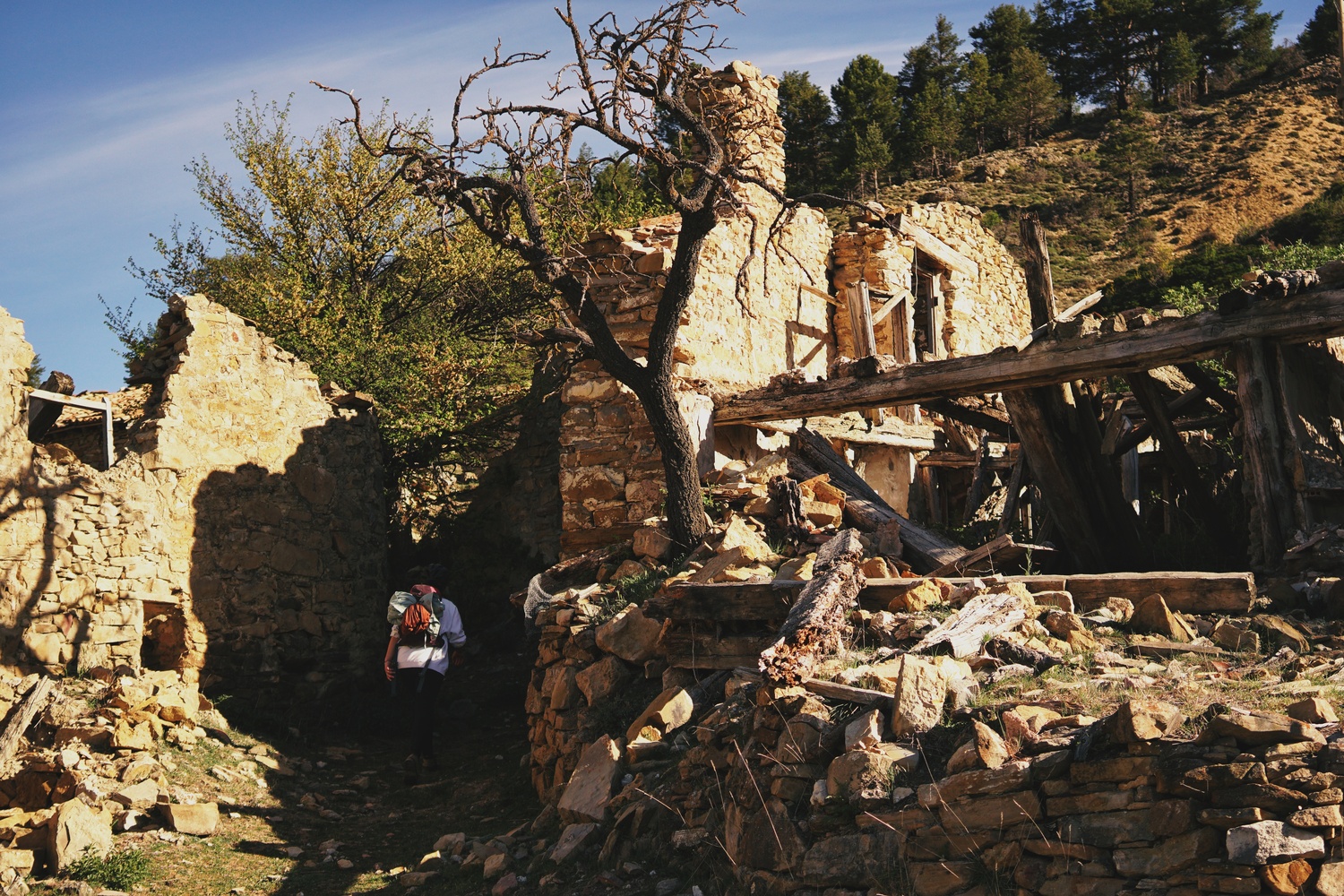


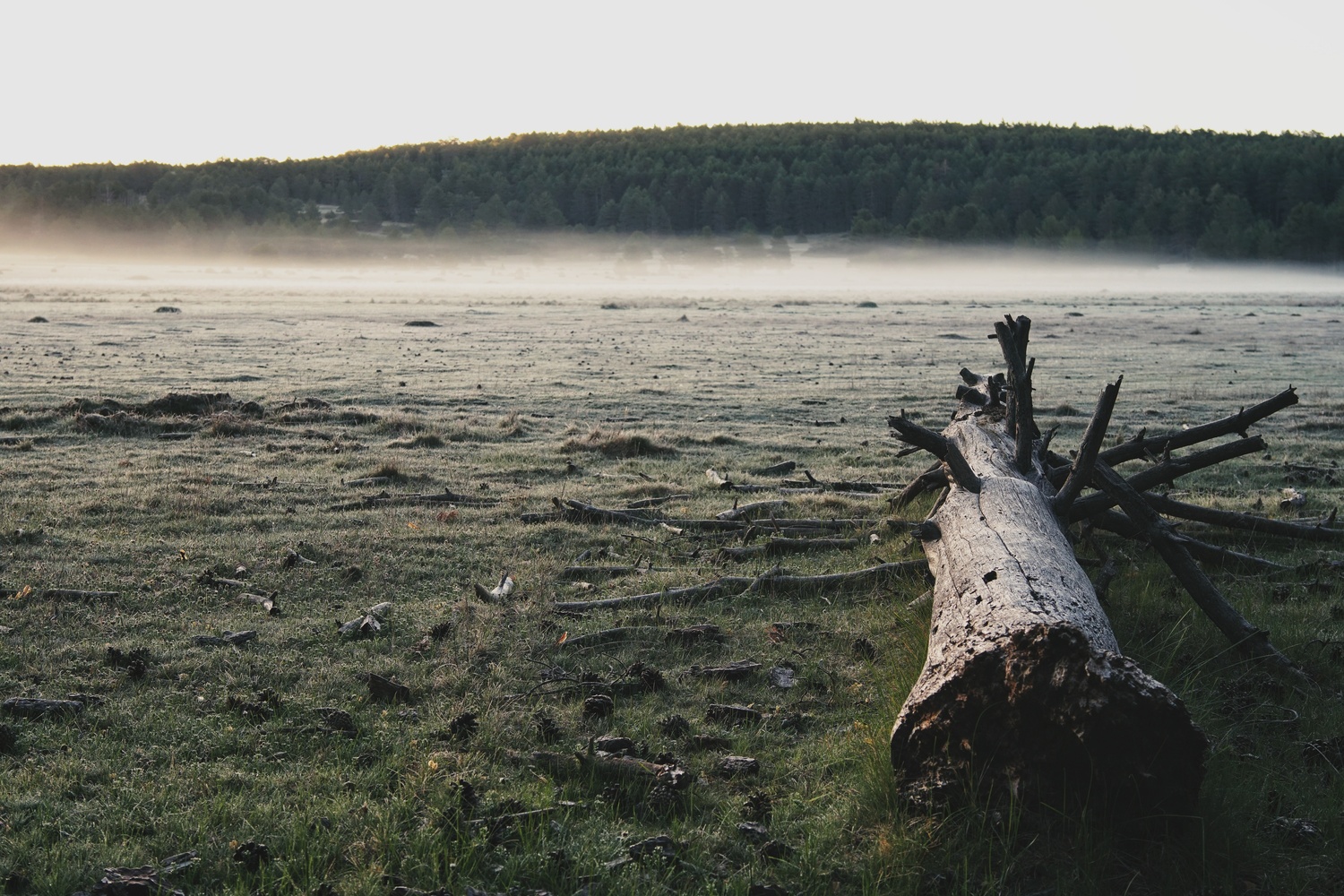


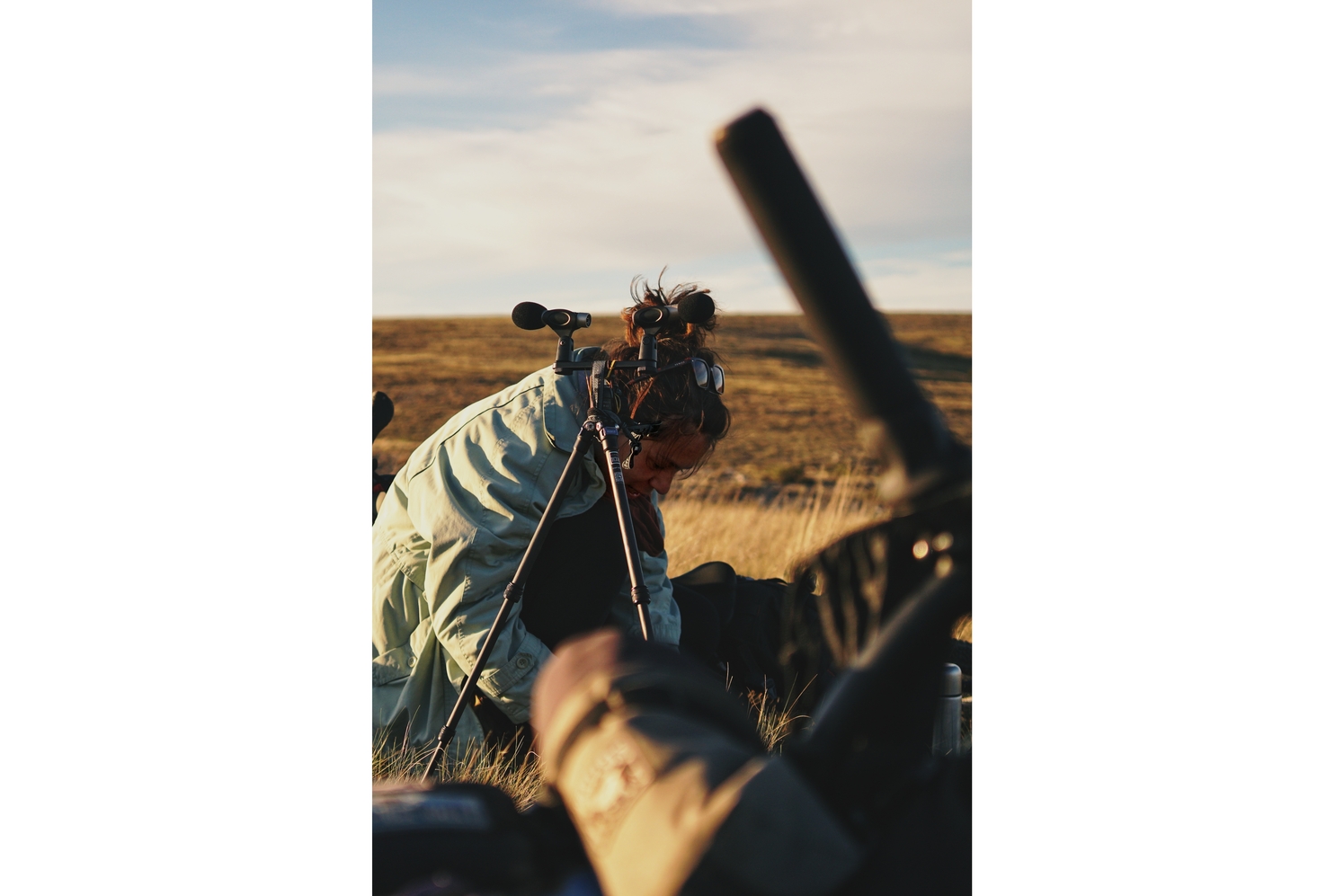


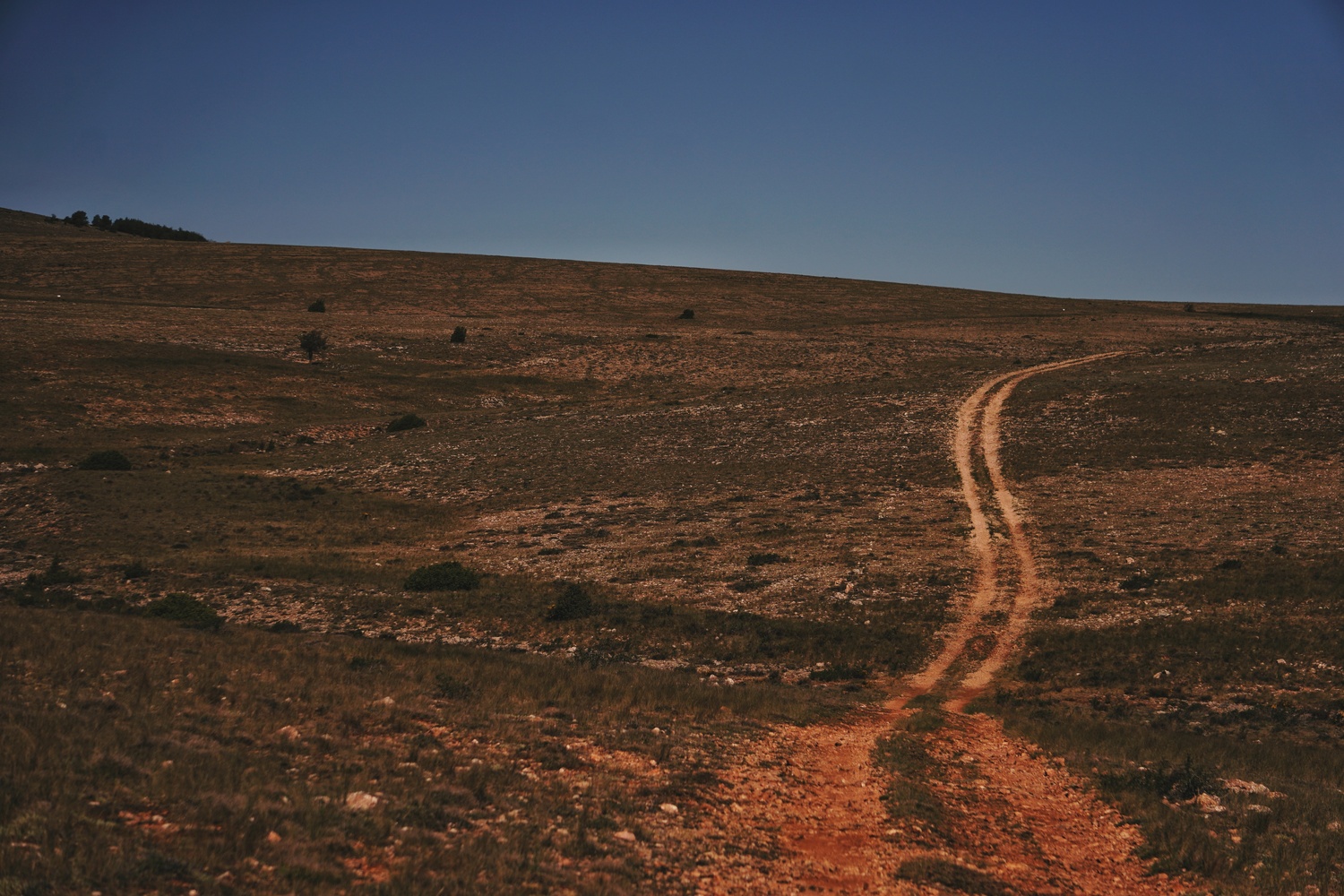
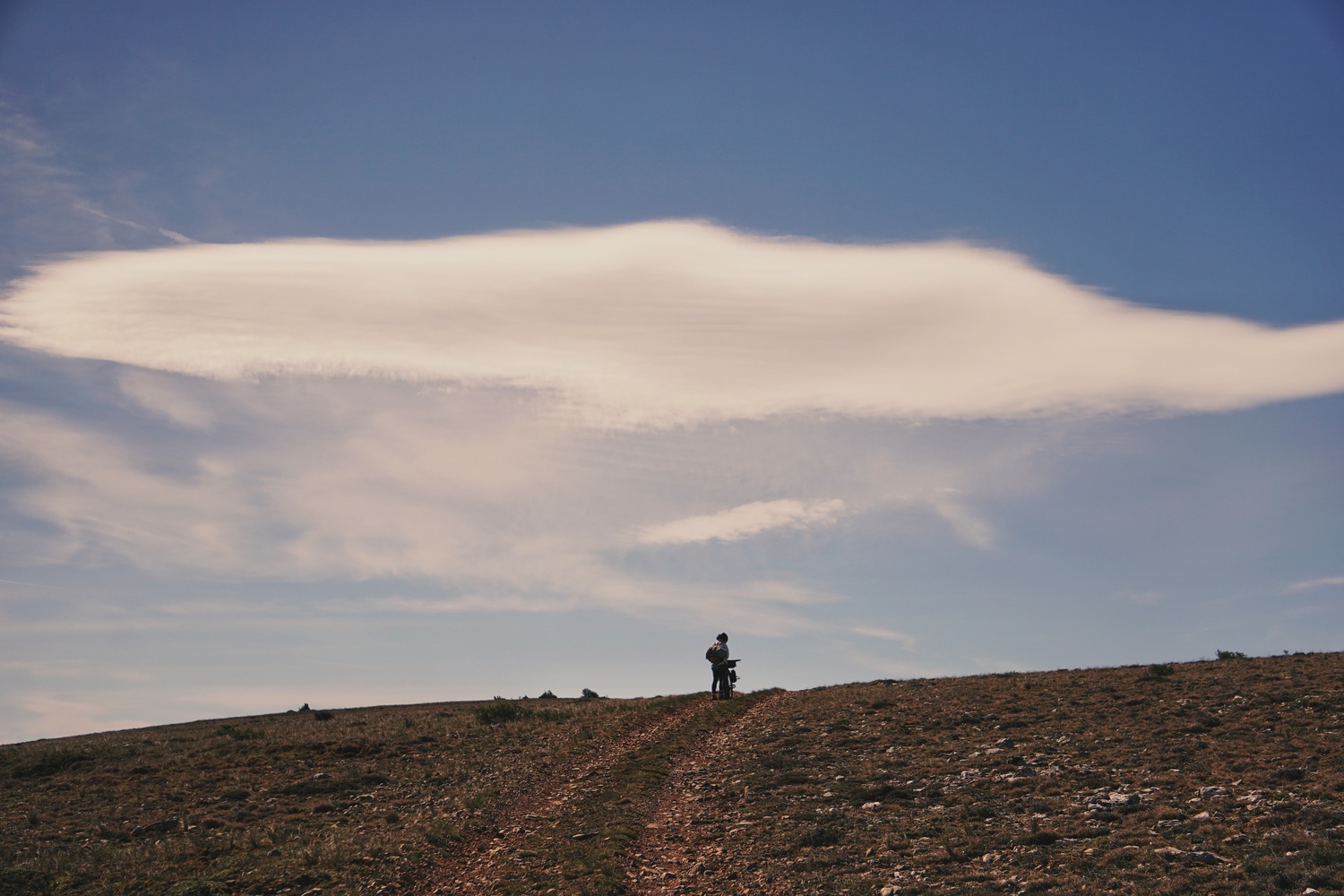
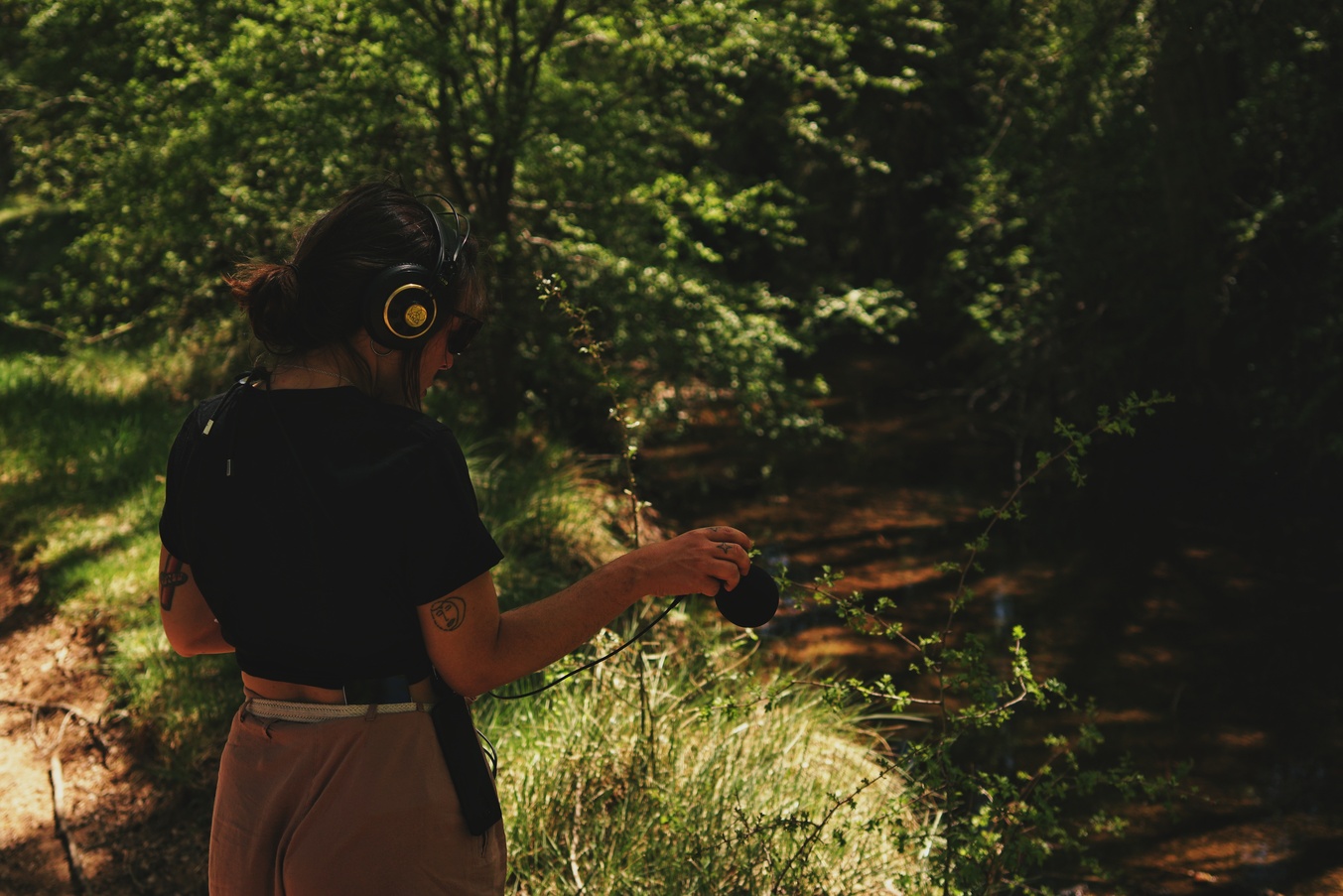

Photos: Ernesto Pastor
THE SECOND TRIP. 2024

After that first trip, there were many more conversations, meetings and, above all, a lot of learning on my part, with hundreds of hours of recordings that I’m gradually shaping.
Throughout this process, Quiet Parks International decided that MontañasVacías met the requirements to become a Quiet Trail, as you already know. Together with the association, we decided that the best way to announce this recognition wasn’t in a packed auditorium with authorities, media, and excessive formality, but rather something more in line with my project: a new sound journey with volunteers, visiting places left unexplored the previous year.
Emily was able to return and be here again, this time accompanied by Nahun Saldaña. Úrsula, in the middle of setting up her Laboratorio Experimental do Som in the Azores, put me in touch with him, knowing the affinity that would arise between us. Multi-faceted, a great communicator, another cycling enthusiast, and with a very interesting project in his native Peru, Escuchadores, which I also recommend you to visit.
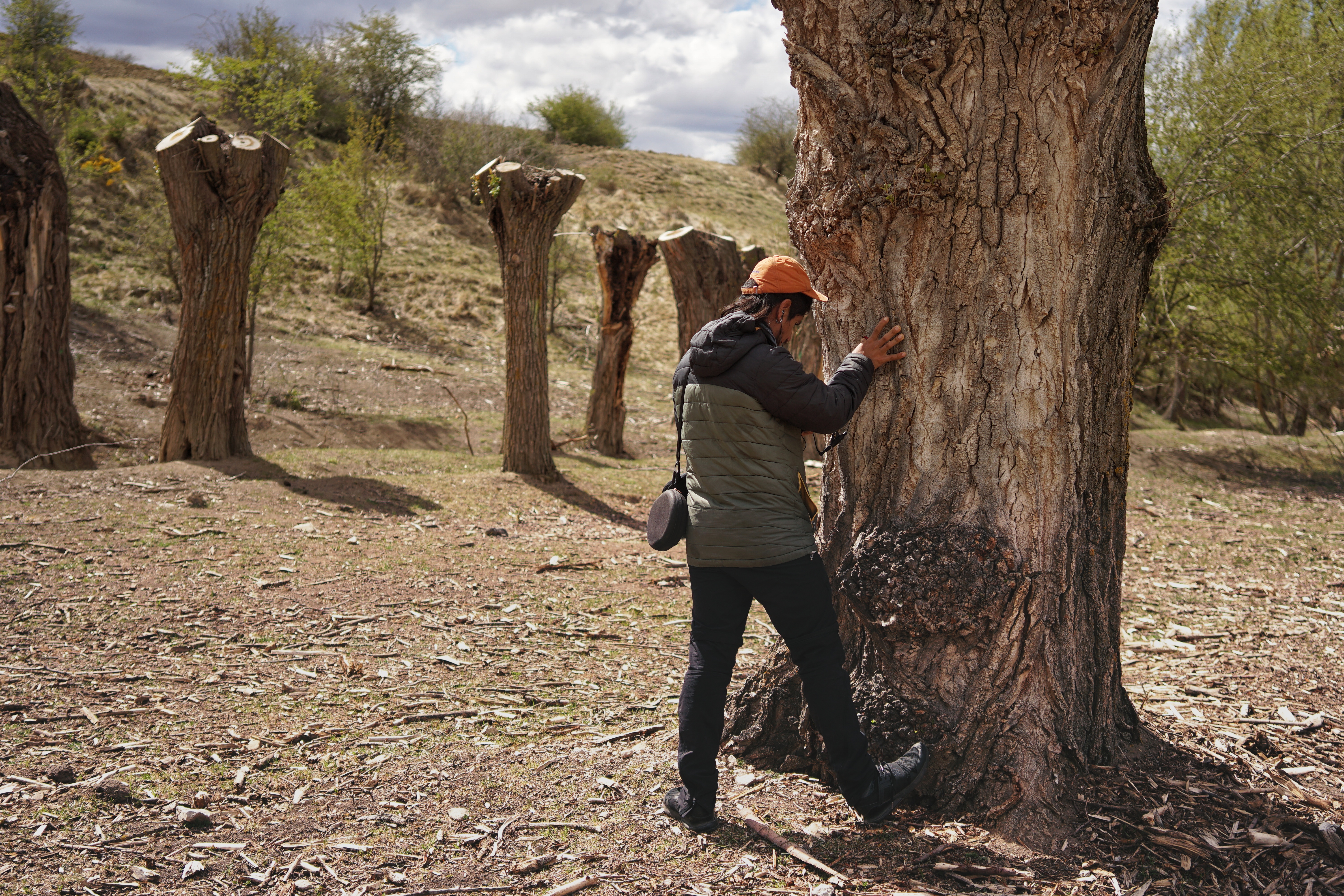

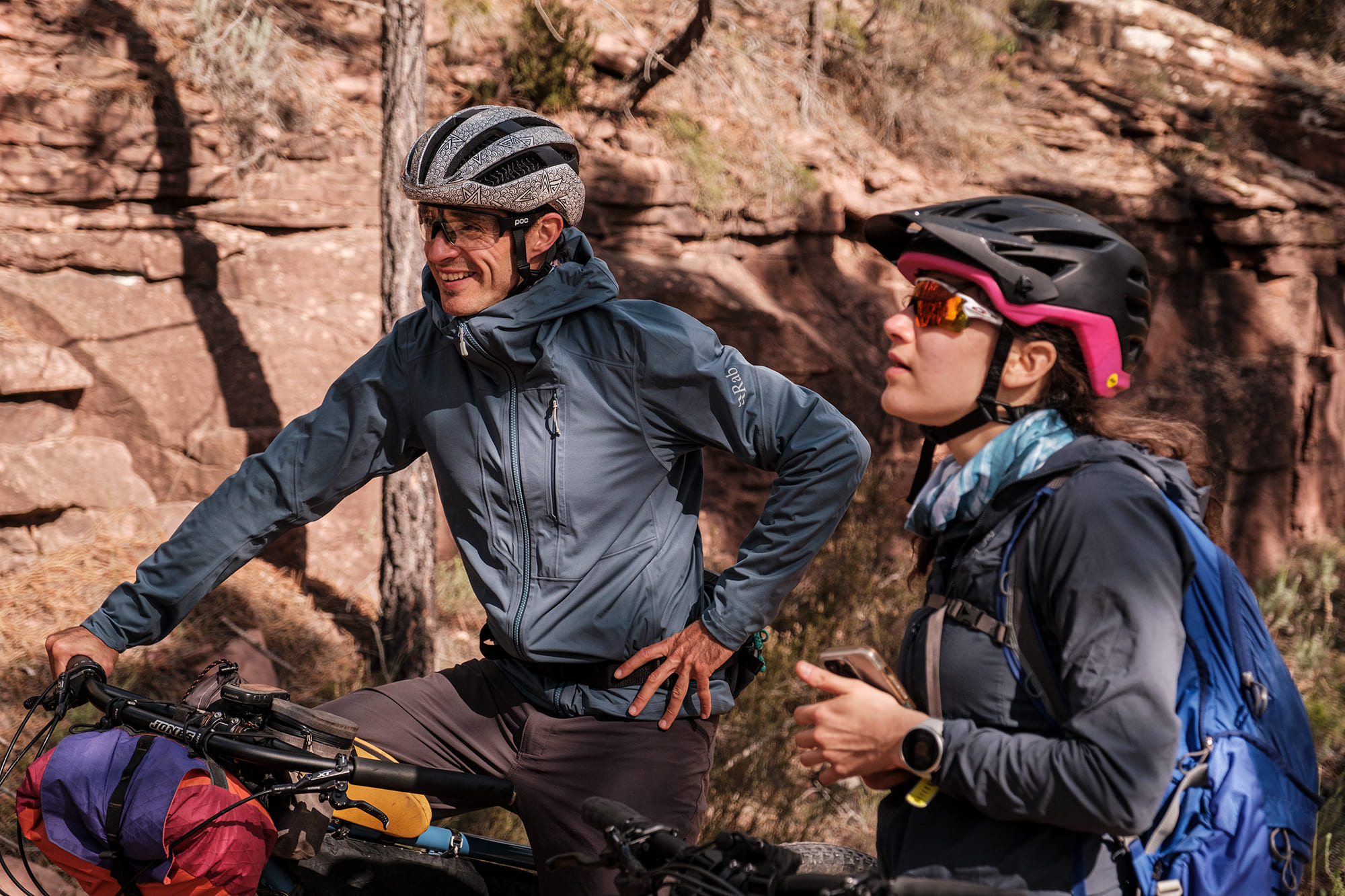
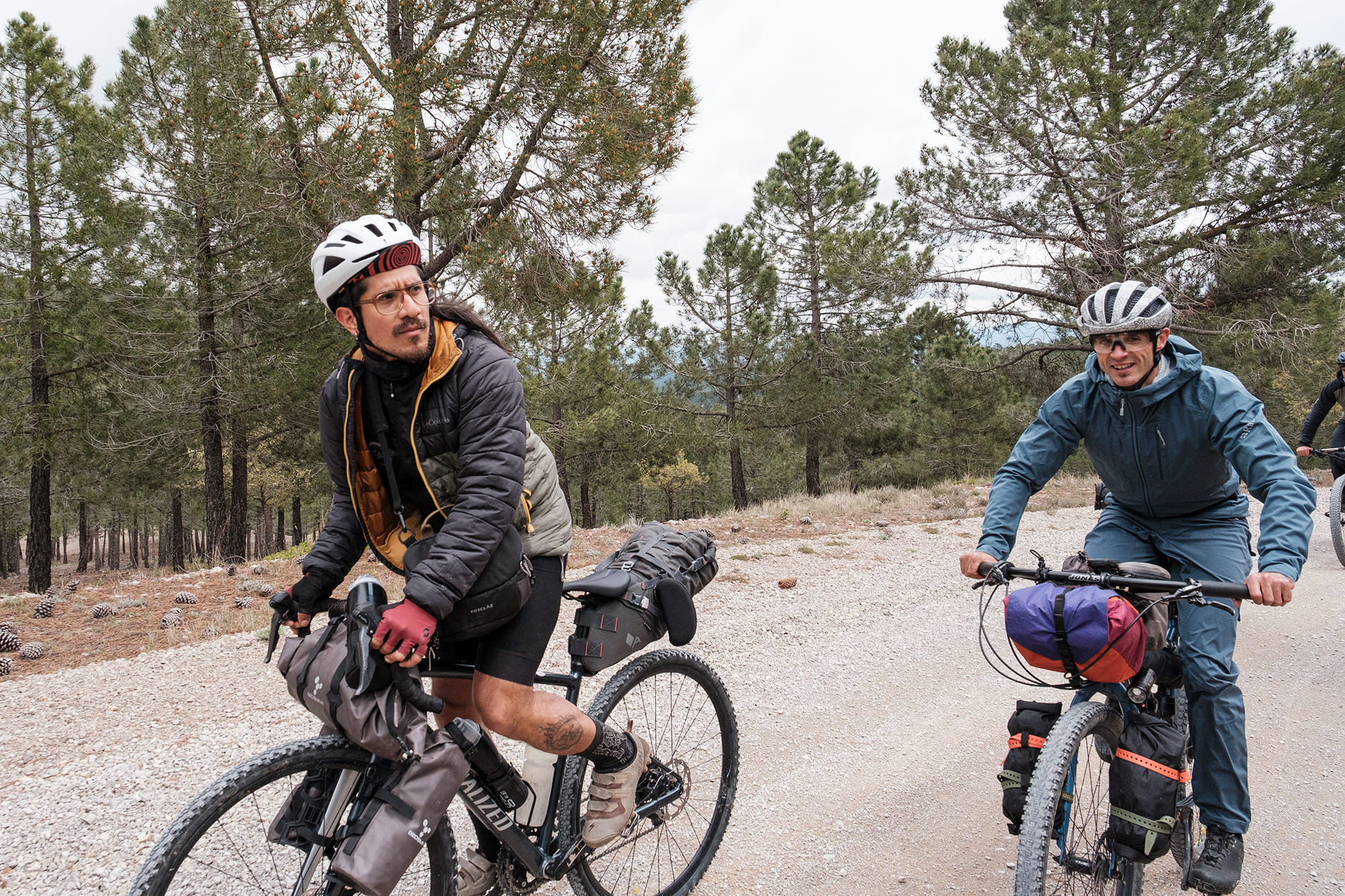
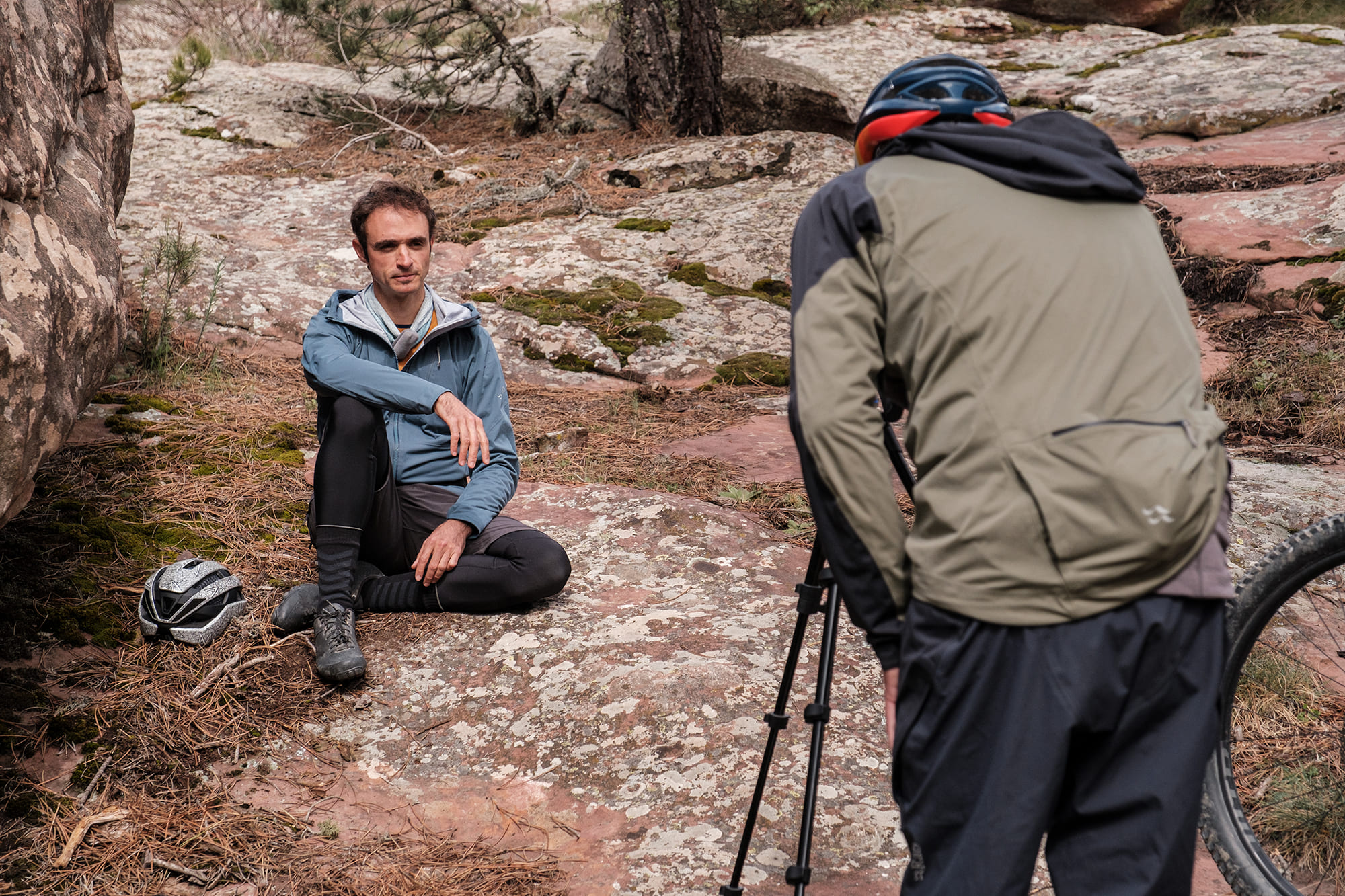
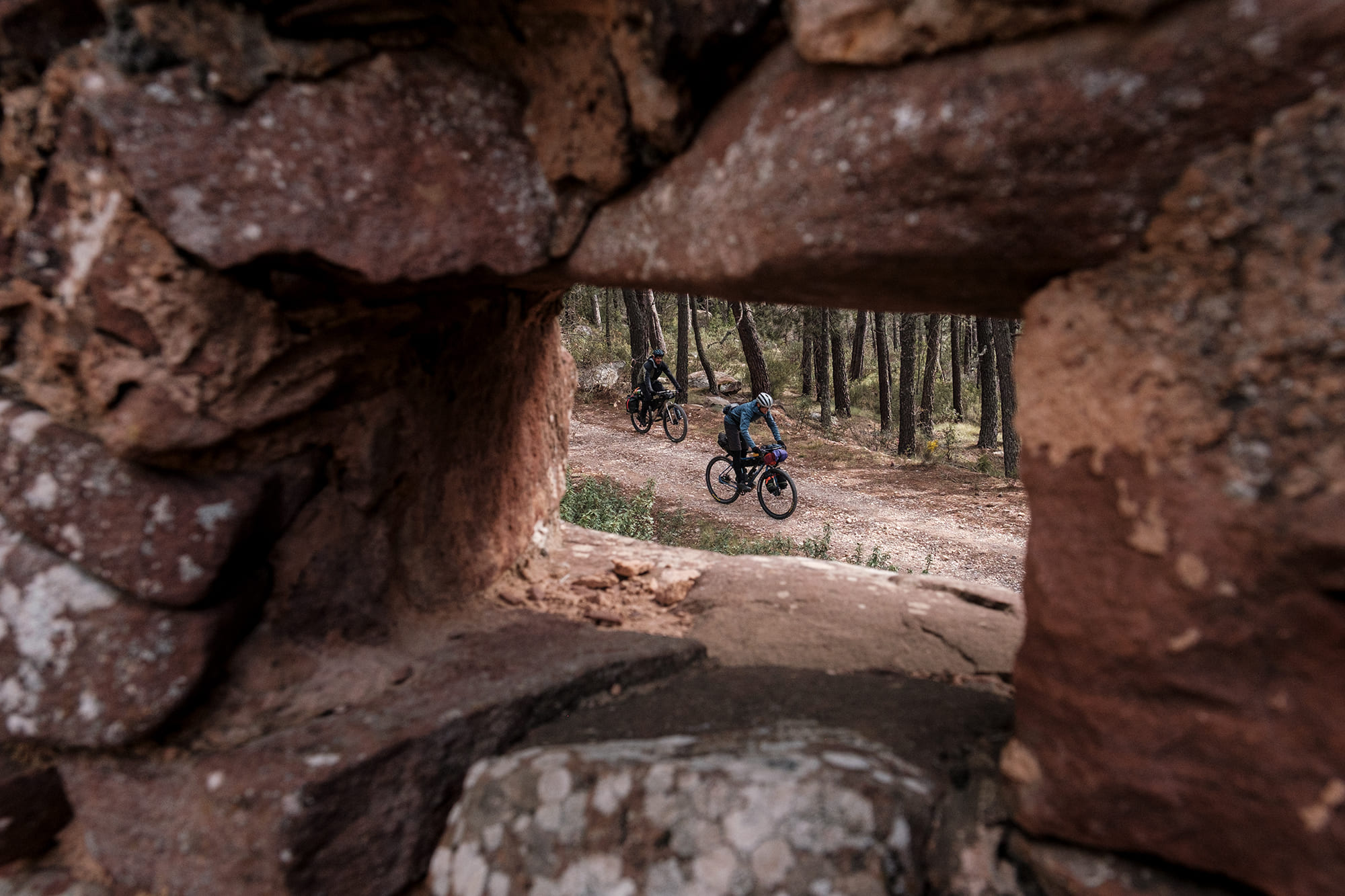
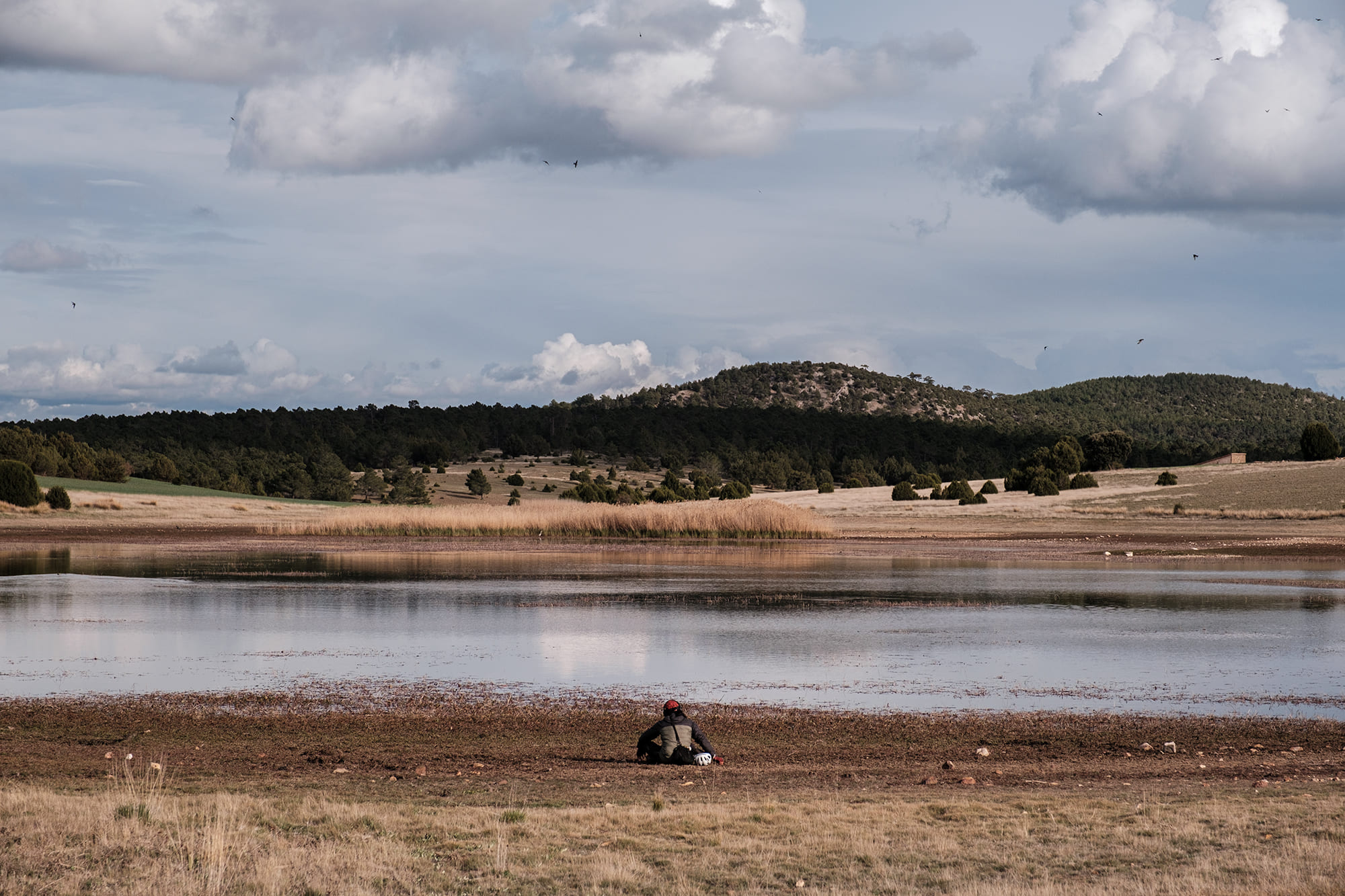
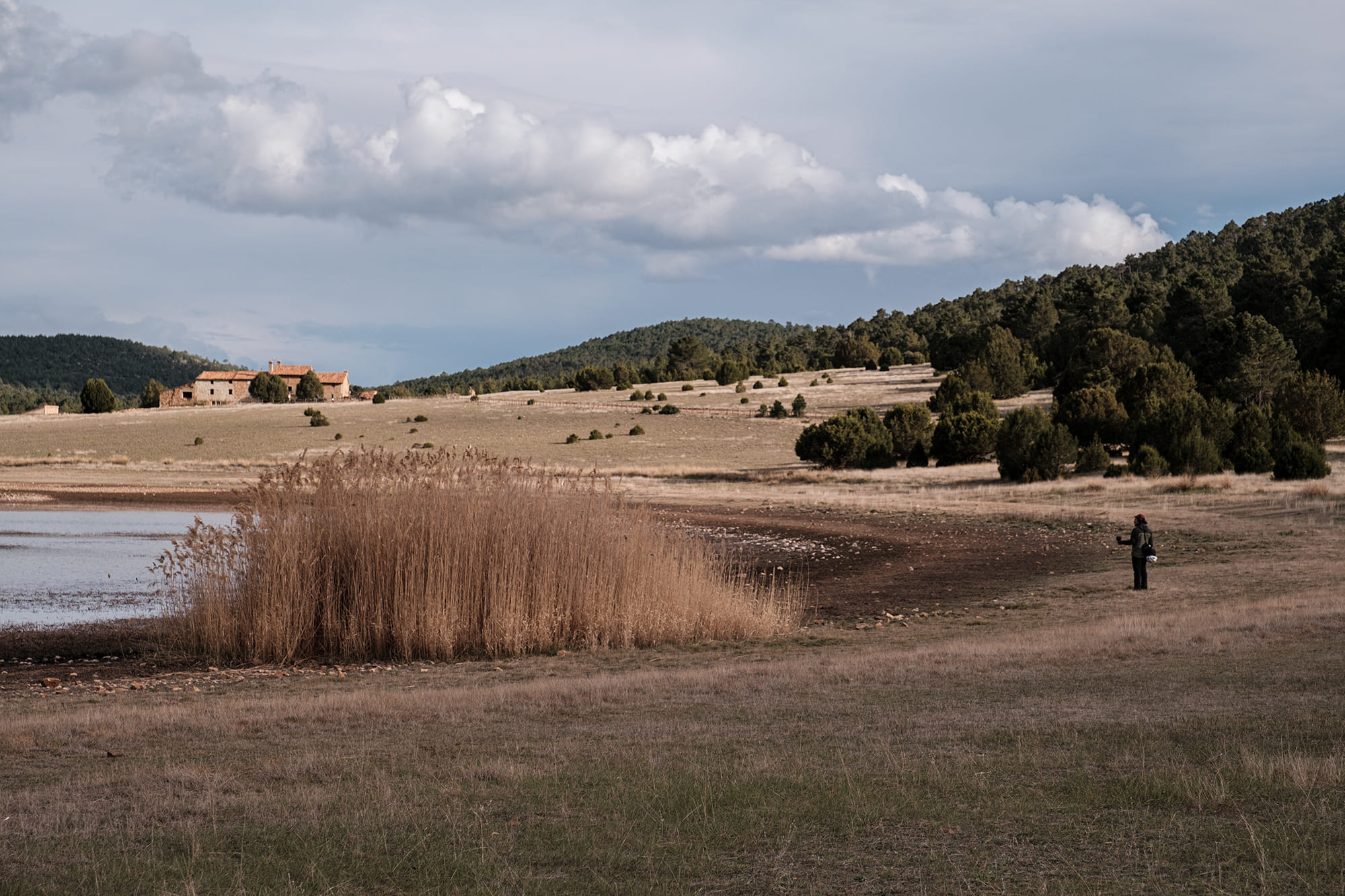
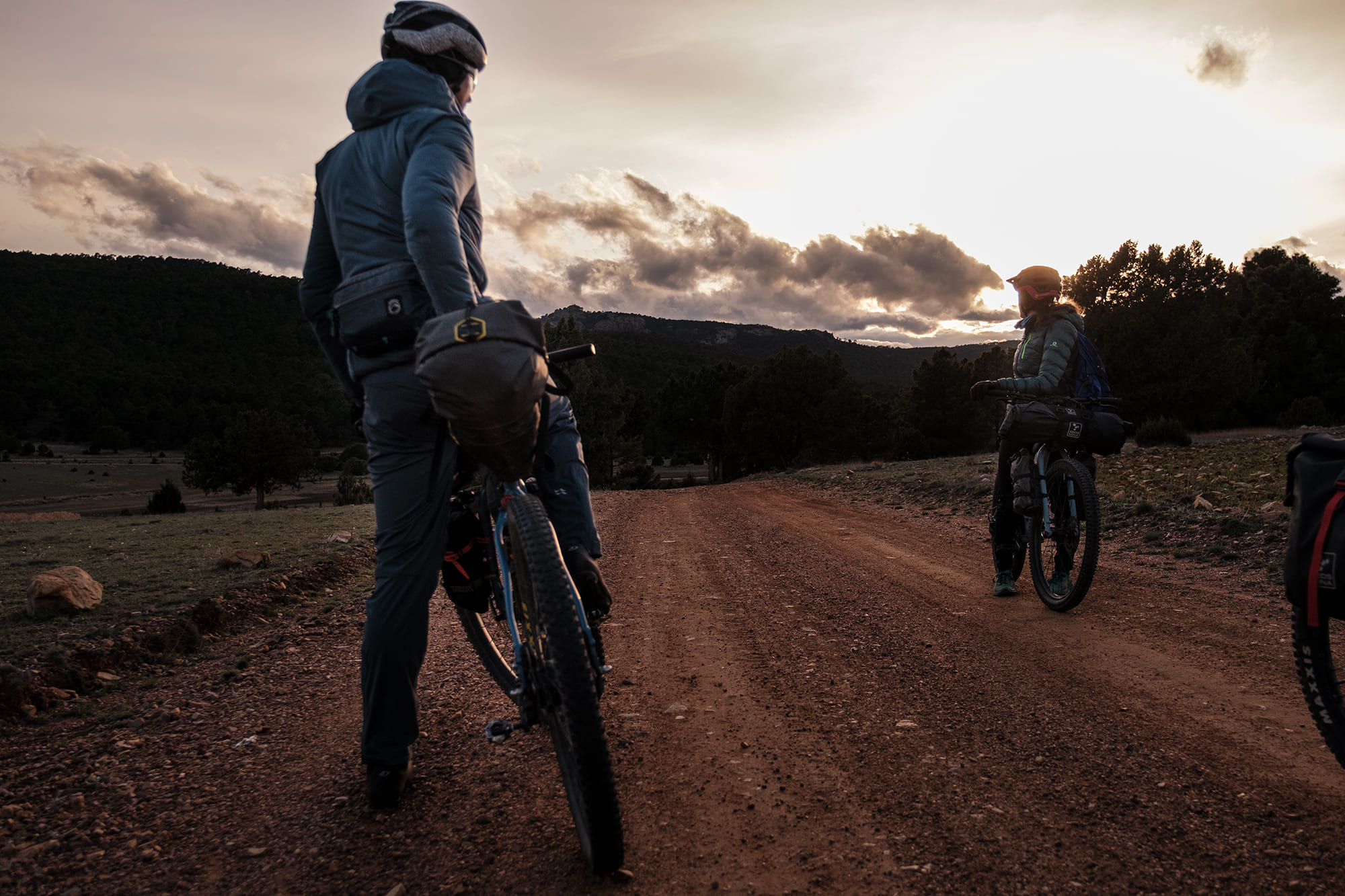
During this second trip, I was able to ride with each of them separately for a few days, as well as spending a few days together with two good friends: Tomás Montes and Sergio Pulido, who helped me with the audiovisual aspects. We no longer had the pressure of last year’s evaluation, but it was a perfect opportunity to deepen our knowledge and understanding of this natural resource with two great professionals like Emily and Nahun.
It could be said that this was precisely the purpose of all this: learning and spreading the true value of natural Silence in these areas as the best way to promote its conservation.
These last two years have been a wonderful journey full of learning and discoveries, but at this point I feel that I’m just at the starting line, at the beginning of a new path. As I mention in the video edited by Sergio, preserving Quiet can be one of the most powerful tools we have for taking care of our environment, but also of ourselves. It’s also in our hands to turn it into a wonderful opportunity for the future of our villages.
There is still much to be done, much to be discovered, many seeds to be sown before we, as a society, realise the true value of everything I’m showing you. I’m aware of my size and my real energy, of course, but I’m also aware of the huge power we have as individuals to add value to our territories or causes. Ideas are worthless if they never see the light of day. Pull the thread, take the first step and let’s see what happens.
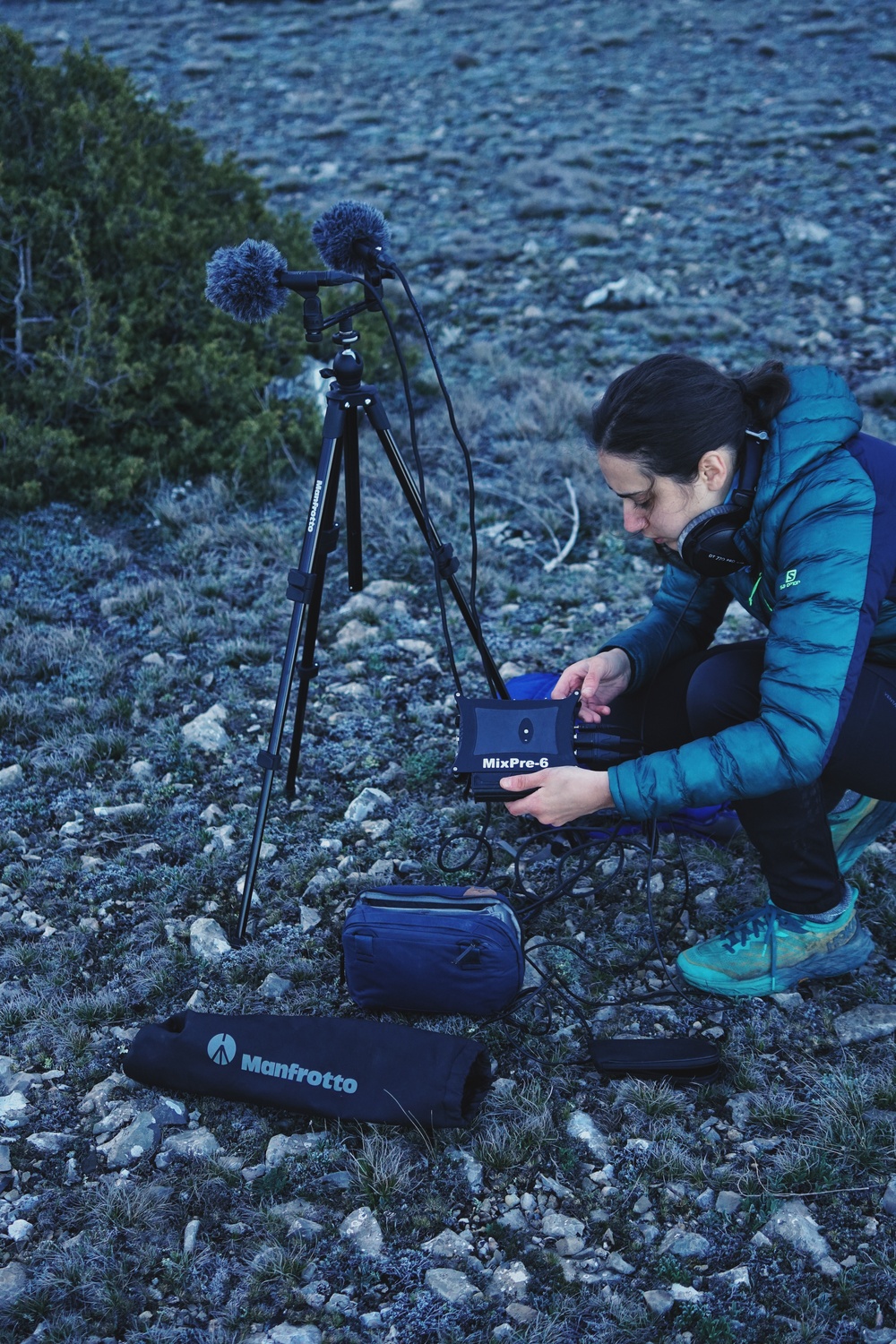
FULL PHOTO GALLERY trip 2024







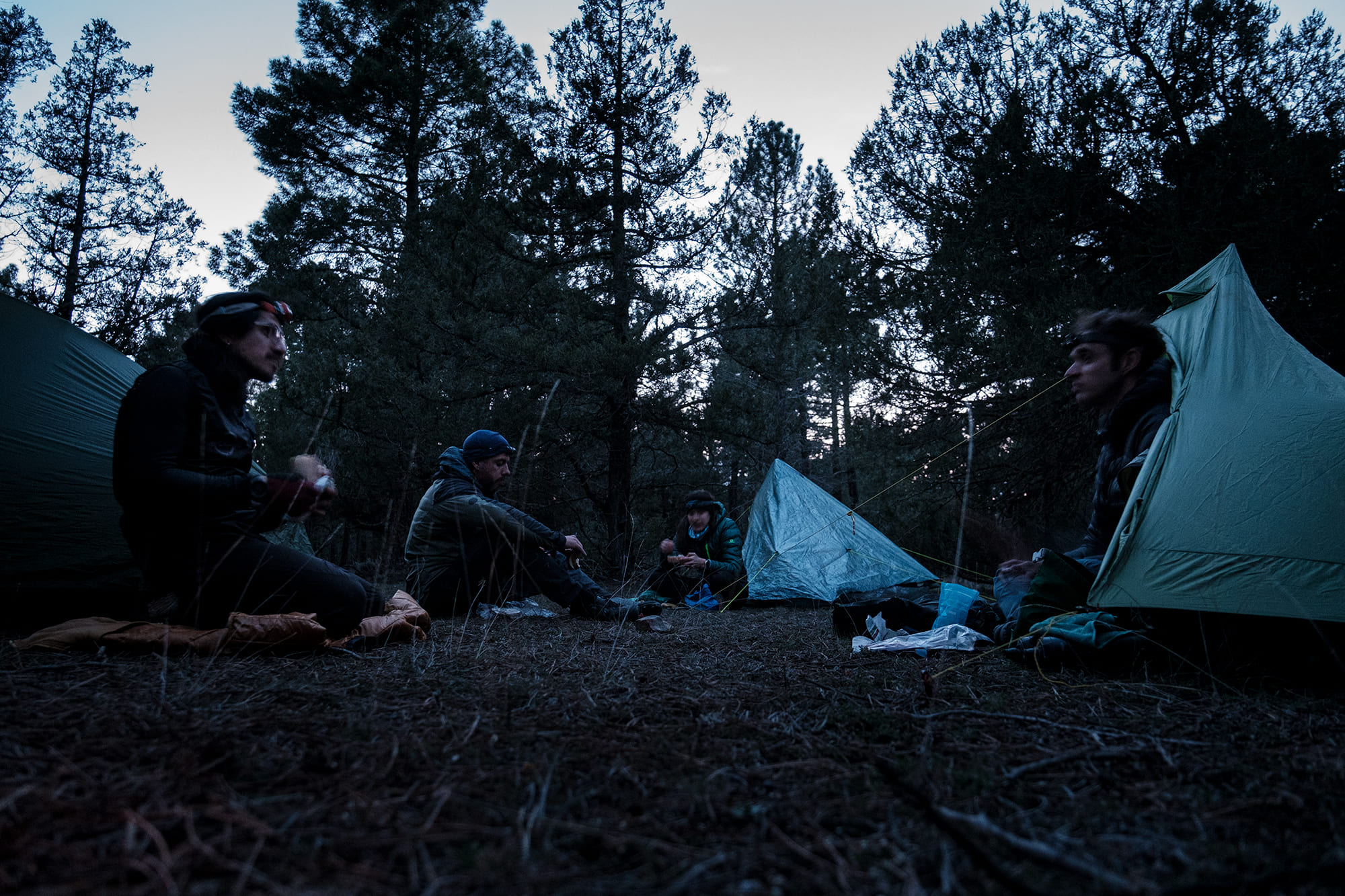

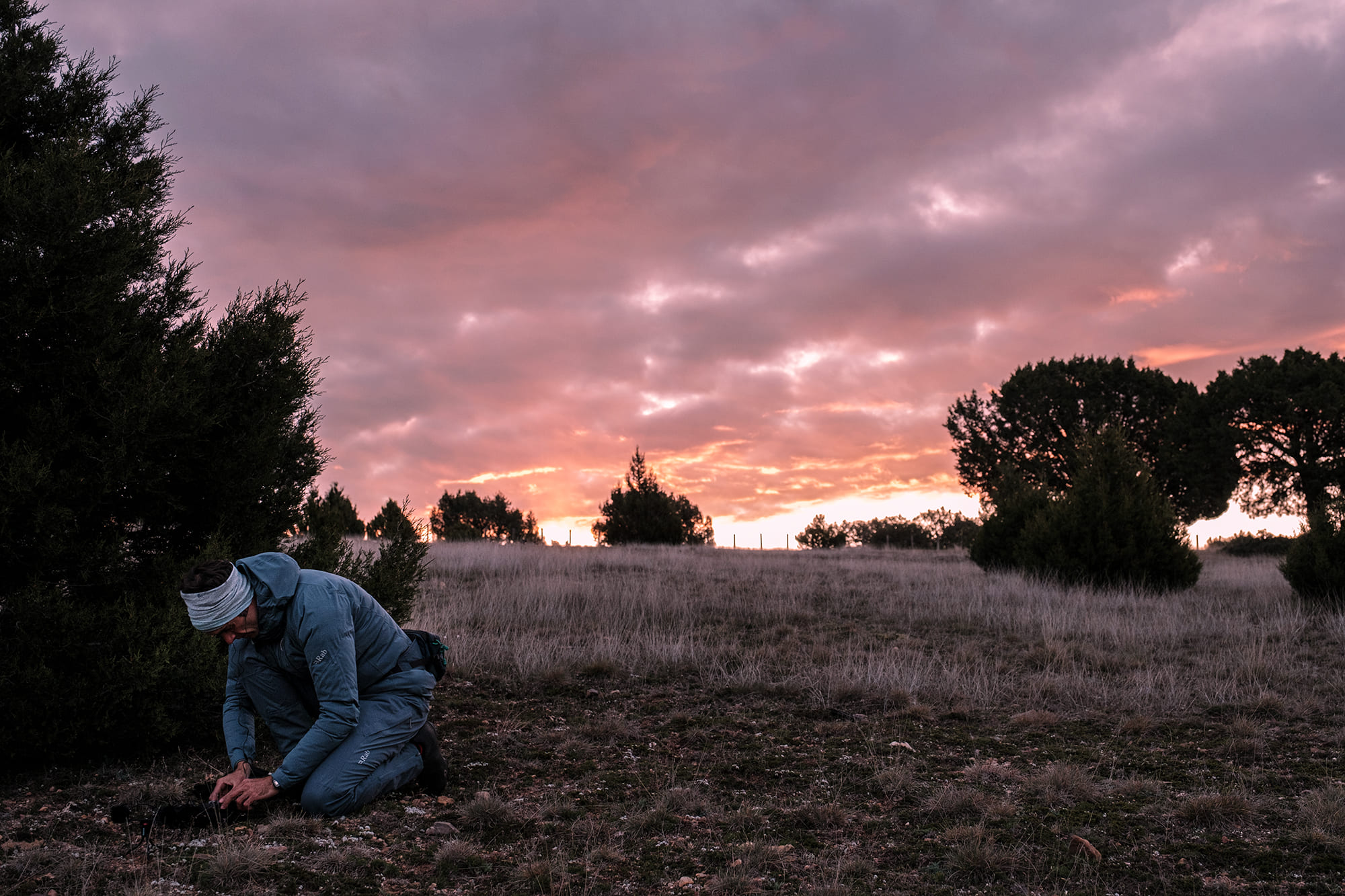


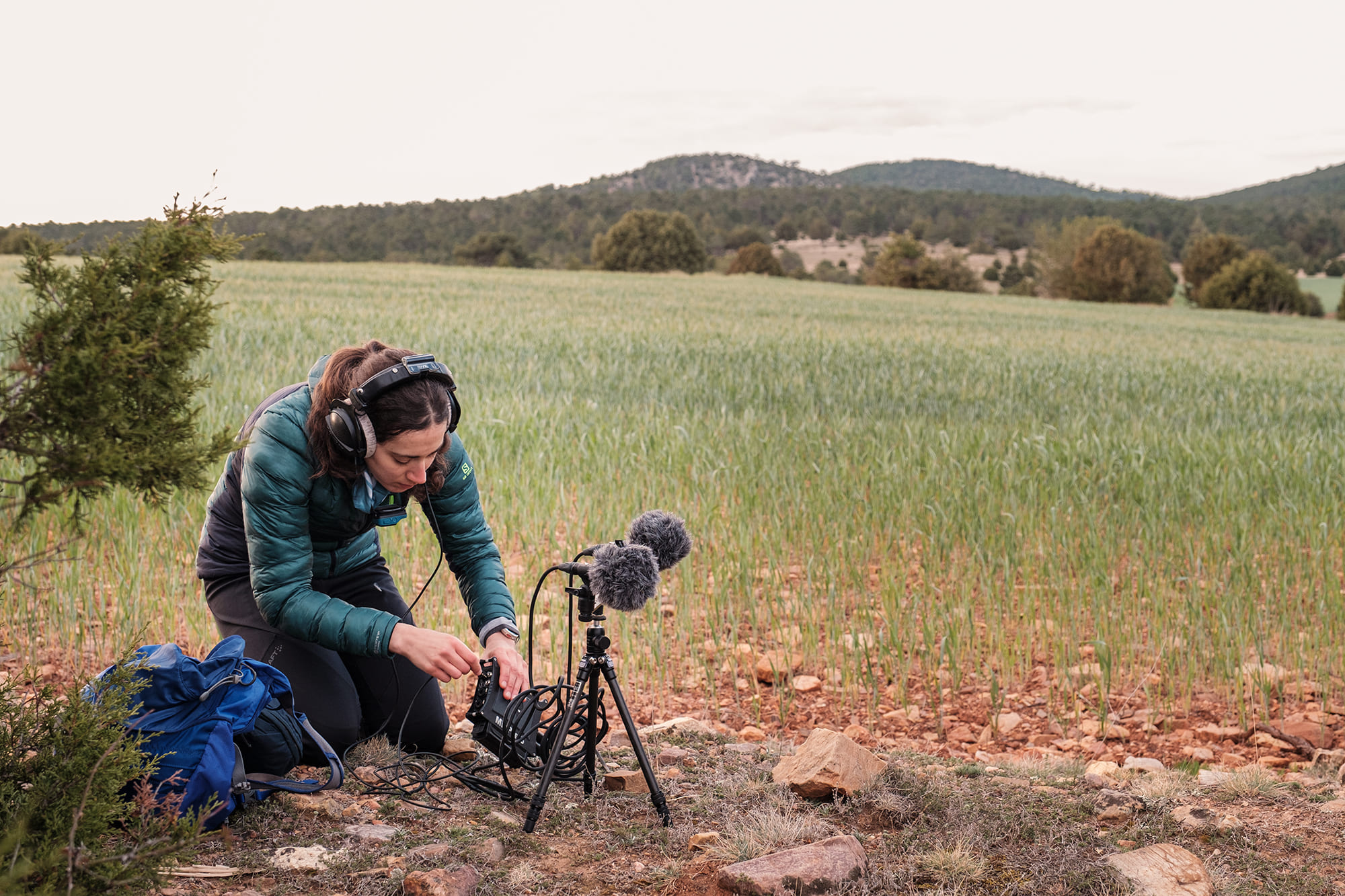

Photos: Tomás Montes aka @arrieredupeloton
SUNRISE
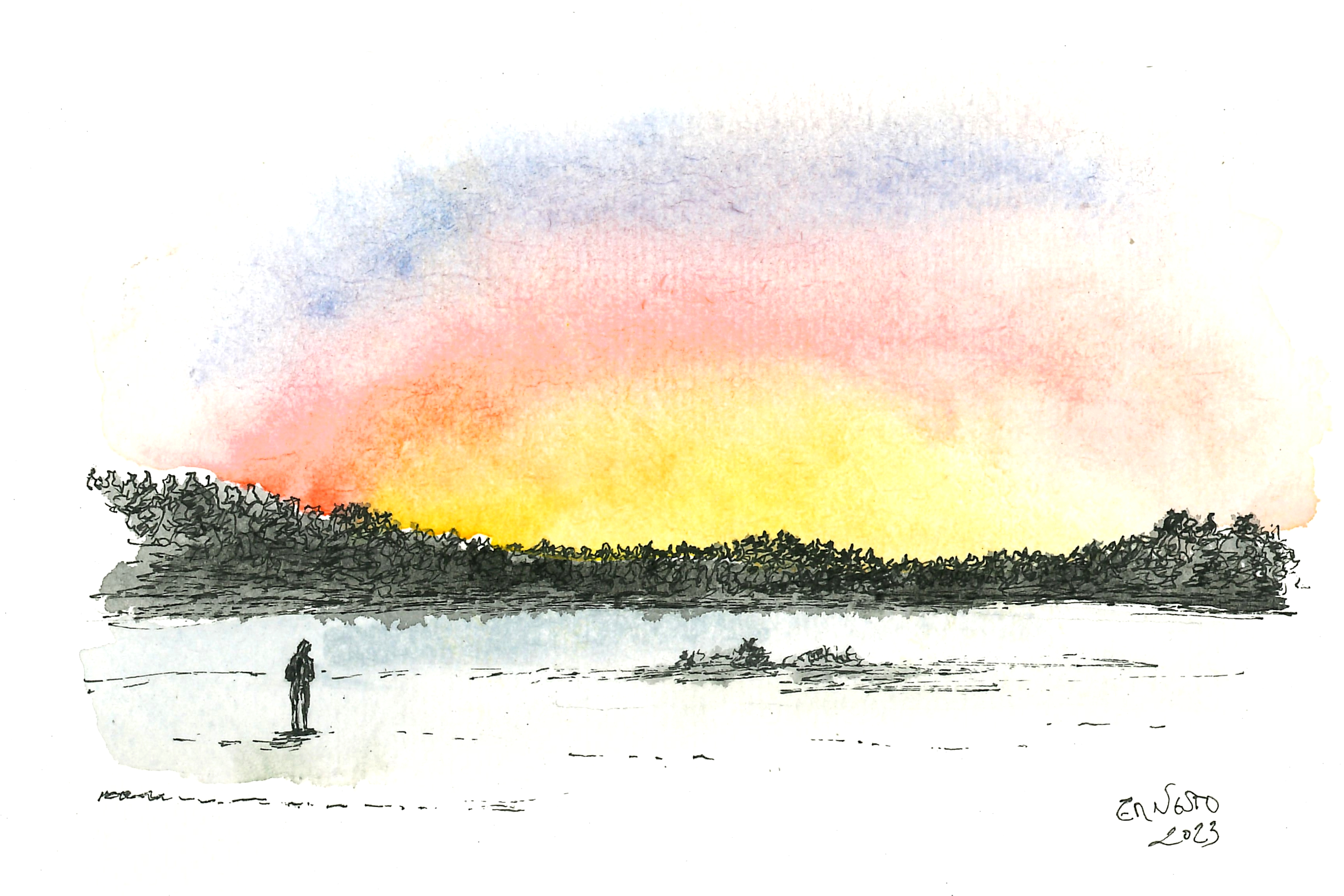
Back to that morning in May 2023. While my ‘Acoustic Expedition’ mates made their final recordings in the first rays of sunshine, I took the opportunity to take some photos, play with my recorder (a mere toy compared to their equipment) and spread out the tents to dry in the sun. When they came back, I couldn’t hide my excitement to hear their impressions of what they had recorded. Each breakfast was a real masterclass for me.
Thanks to them, I have adopted the phrase: «The more you listen, the more you hear«. In the same way that when I learned photography I began to look rather than see, the more I pay attention to what I listen to, the more information I hear. I find that I’m now much more sensitive to details of sound that I hadn’t noticed before: I begin to notice different nuances in the wind as it passes through different types of trees, I pay more attention to the songs of birds, or I immediately notice that distant motorist that was previously unnoticeable.
At breakfast, Emily, Ursula and I agreed. It had been one of the most beautiful sunrises of our lives. The environment, the warmth of the light, the solitude, yes, but also for what we have almost never noticed, that secondary actor, until now: the soundscape. Let’s give it the value it has and protect it before it is too late and these last sanctuaries of silence disappear completely.

 Montañas Vacías